Vacuum Stress Signs in Dogs and Cats: What to Watch
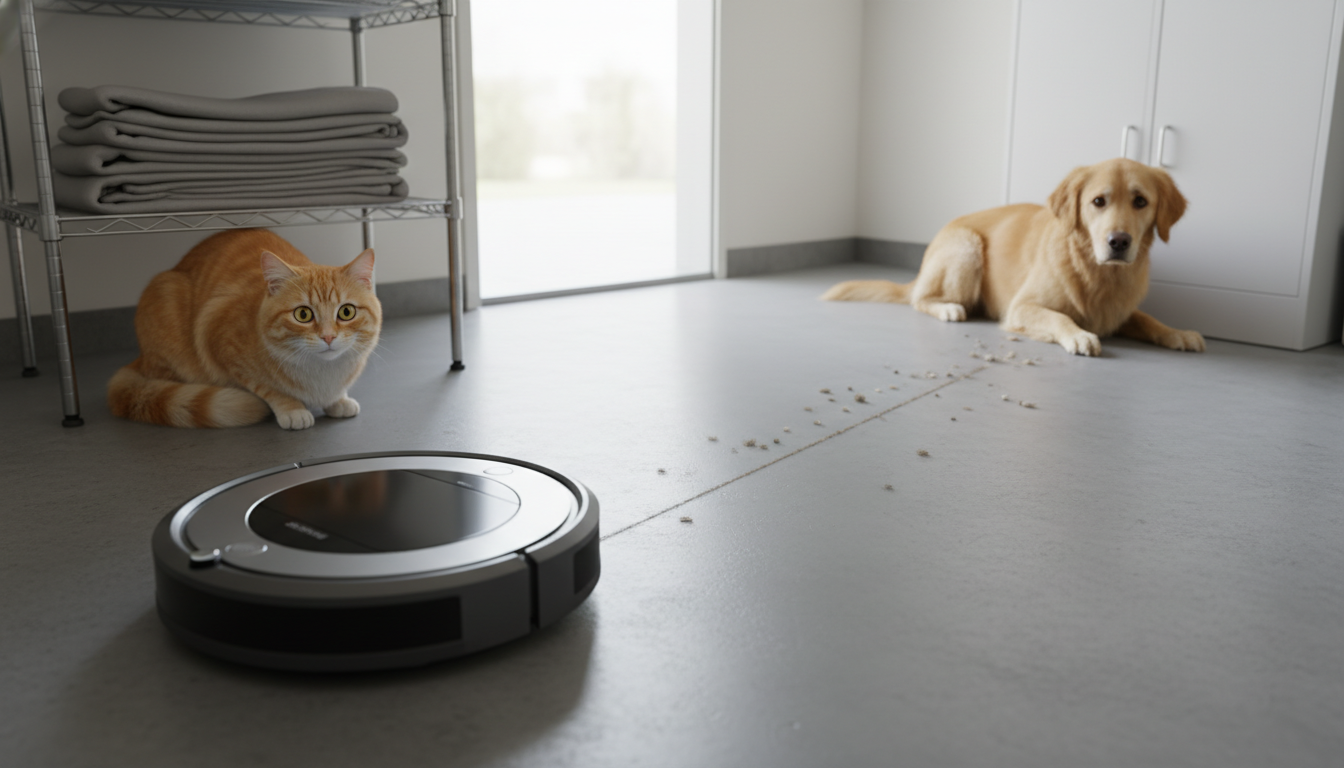
What are the most common signs of vacuum stress in dogs and cats?
Vacuum cleaners can be unusually stressful for many pets because they’re loud, move unpredictably, and invade spaces where dogs and cats normally feel secure. The most common signs of vacuum stress range from subtle avoidance to full panic responses, and they can look different depending on your pet’s temperament and past experiences.
Answer
In dogs, vacuum stress often shows up as barking, growling, lunging, or snapping at the vacuum, especially if they view it as a threat. Other dogs do the opposite: they retreat, hide, or try to escape the room. Common body-language clues include a tucked tail, pinned-back ears, trembling, panting, lip licking, yawning, and pacing. Some dogs may refuse treats, cling to a person, or attempt to herd the vacuum by circling and nipping—behavior that can escalate if the vacuum gets close.
In cats, stress signs frequently involve avoidance and hiding. A cat may bolt under furniture, sprint to another room, or freeze in place with a tense, low posture. Watch for wide pupils, flattened ears, a puffed tail, crouching, and rapid breathing. Some cats may vocalize more than usual (yowling, hissing, or growling), swat if cornered, or refuse to come out long after the vacuuming stops.
Both species can show lingering stress after the noise ends, such as restlessness, hypervigilance, or reluctance to enter the area where the vacuum was used. In sensitive pets, repeated exposure may contribute to ongoing anxiety around the closet where the vacuum is stored, the sound of it being moved, or even similar household noises.
For a deeper look at behavior cues and practical ways to reduce fear during cleaning routines, visit the full guide: What are the most common signs of vacuum stress in dogs and cats?.
FAQ
How can I help my pet feel calmer during vacuuming?
Create distance (use a closed door or a quiet room), start the vacuum only after your pet is settled away from the noise, and reward calm behavior with treats or play once the vacuum is off and your pet is comfortable approaching again. If fear is intense or escalating, a vet or trainer can recommend a step-by-step desensitization plan.










Leave a comment