Anxiety Relief Bundle: Calm Routine Tools in 10–20 Min
What makes anxiety feel harder to manage day to day
Anxiety isn’t only “in your head.” It’s also a body state, a set of habits, and a day-to-day pattern. When routines are inconsistent, it’s easier for anxious symptoms to grow louder and feel more urgent than they really are.
- Stress response stays activated: racing thoughts, a tight chest, shallow breathing, irritability, and restlessness can reinforce each other and keep the nervous system on high alert.
- Avoidance loop: skipping tasks or social situations may bring short-term relief, but it often increases worry long term by teaching the brain that the situation is “dangerous.”
- Decision fatigue: too many choices (“What should I do first?”) can stall action, which adds pressure and raises tension.
- Inconsistent coping tools: using a different tactic every day makes it harder to learn what truly helps and build steady momentum.
Reliable support usually looks less like a dramatic breakthrough and more like a repeatable set of small steps that guide your attention, your self-talk, and your next action.
What’s inside The Anxiety Relief Bundle: A Path to Calm (4-in-1)
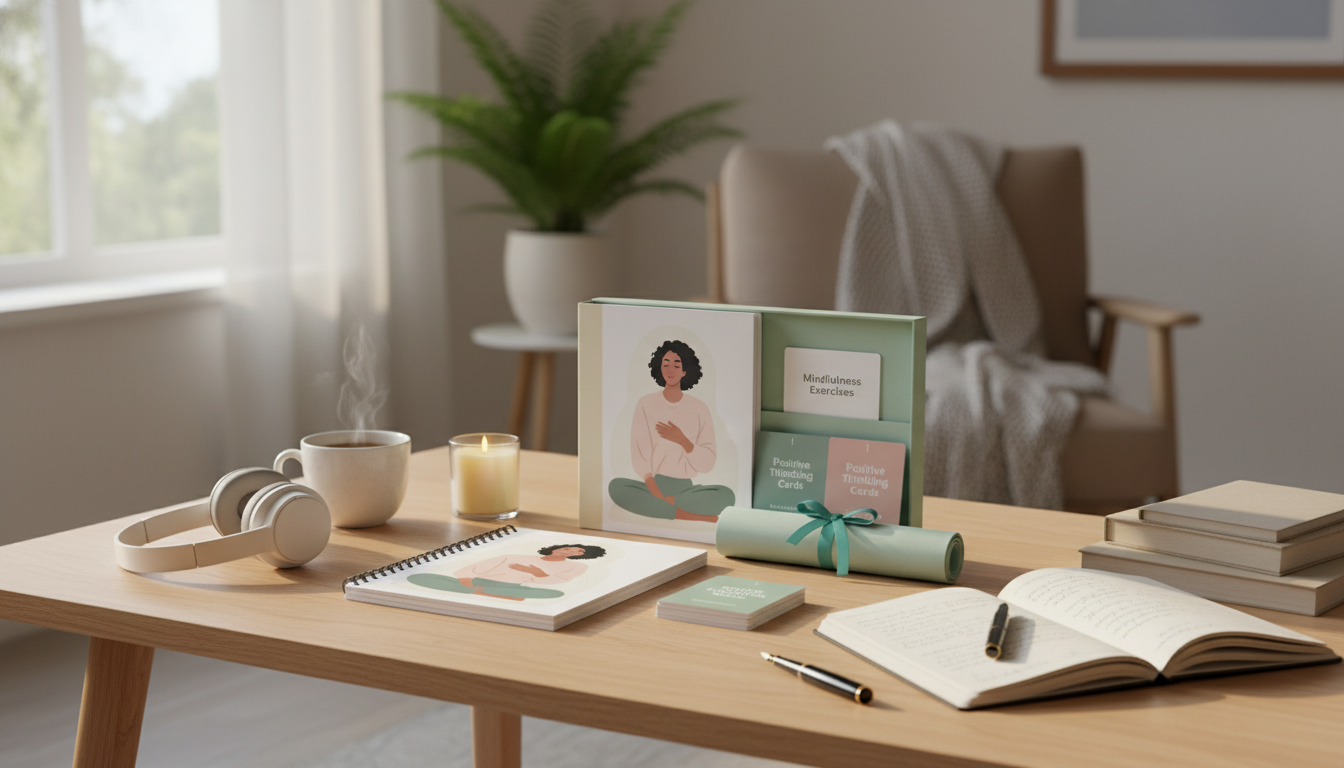
The Anxiety Relief Bundle: A Path to Calm (4-in-1 Bundle) is designed to turn “I should do something” into a simple routine you can actually follow—especially on busy days when motivation is low.
- Mindfulness exercises to reduce reactivity and bring attention back to the present moment.
- Positive-thinking prompts to challenge unhelpful thought patterns and build more balanced self-talk.
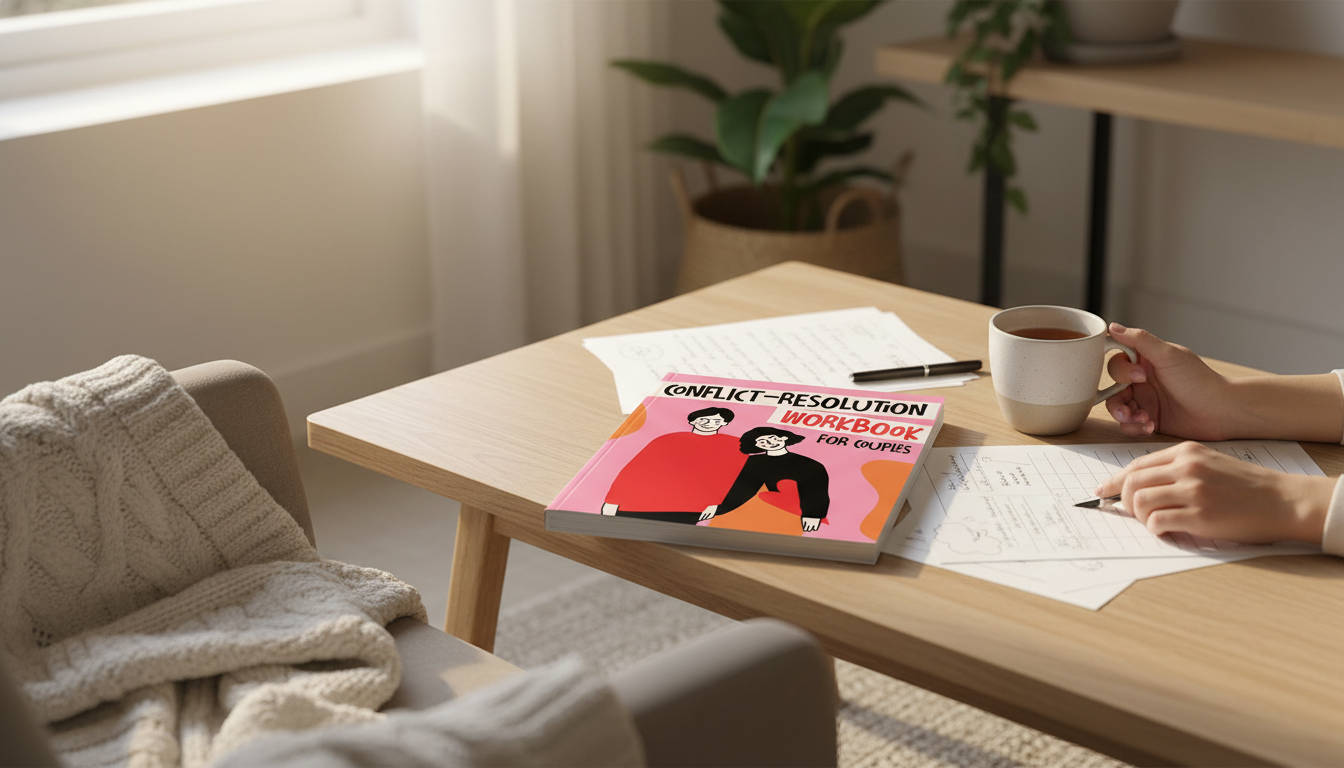
- Printable checklist to create a simple, repeatable plan for morning, midday, and evening support.
- Course outline to guide pacing—helpful for building consistency rather than relying on willpower alone.
| Bundle part | Primary goal | Best time to use | Quick example |
|---|---|---|---|
| Mindfulness exercises | Settle the nervous system and reduce rumination | When anxiety spikes or before sleep | 2–5 minutes of breath or body scan |
| Positive-thinking prompts | Reframe catastrophic or all-or-nothing thoughts | After a trigger, before a meeting, or during worry time | Write a more balanced alternative thought |
| Printable checklist | Reduce overwhelm with clear next steps | Start of day and transitions | Choose 1 grounding step + 1 priority task |
| Course outline | Create a steady progression and habit loop | Weekly planning | Follow a simple week-by-week sequence |
A simple daily routine using the bundle (10–20 minutes)
This structure is meant to be flexible. Think “short reps” throughout the day rather than one long session you never get around to.
- Morning (3–5 minutes): select one mindfulness exercise to start the day with steadier attention.
- Midday reset (2–5 minutes): use the checklist to pause, breathe, hydrate, and choose the next small action.
- Thought shift (3–7 minutes): complete one positive-thinking prompt after a stressful interaction or worry surge.
- Evening (3–5 minutes): do a short mindfulness practice to lower physical tension and reduce nighttime rumination.
- Weekly (10 minutes): review the course outline, identify common triggers, and pick one skill to practice more intentionally.
If you want an easy add-on for focus and mental organization (especially when anxiety affects memory and concentration), Memory Boost Worksheets for Students & Adults can pair well with a calmer daily routine by helping you externalize plans and practice recall strategies.
Mindfulness exercises that pair well with anxious moments
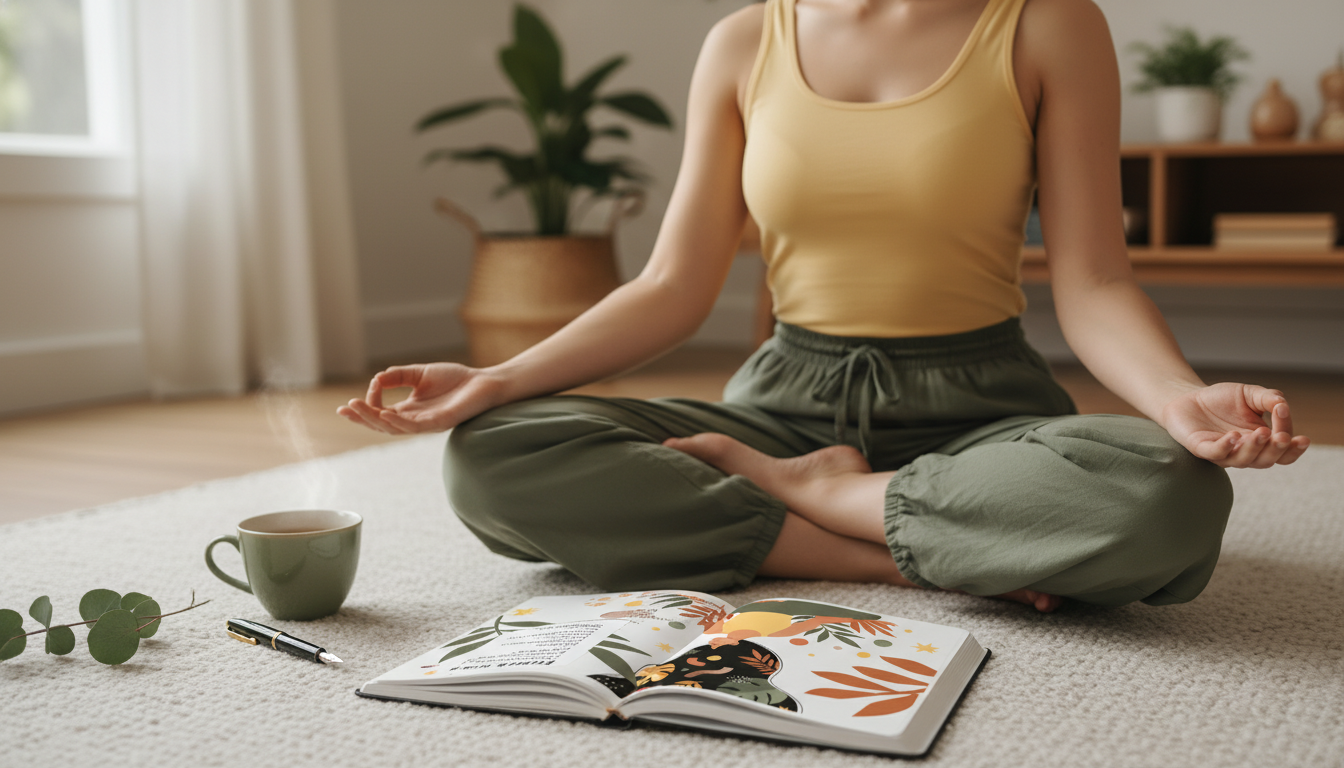
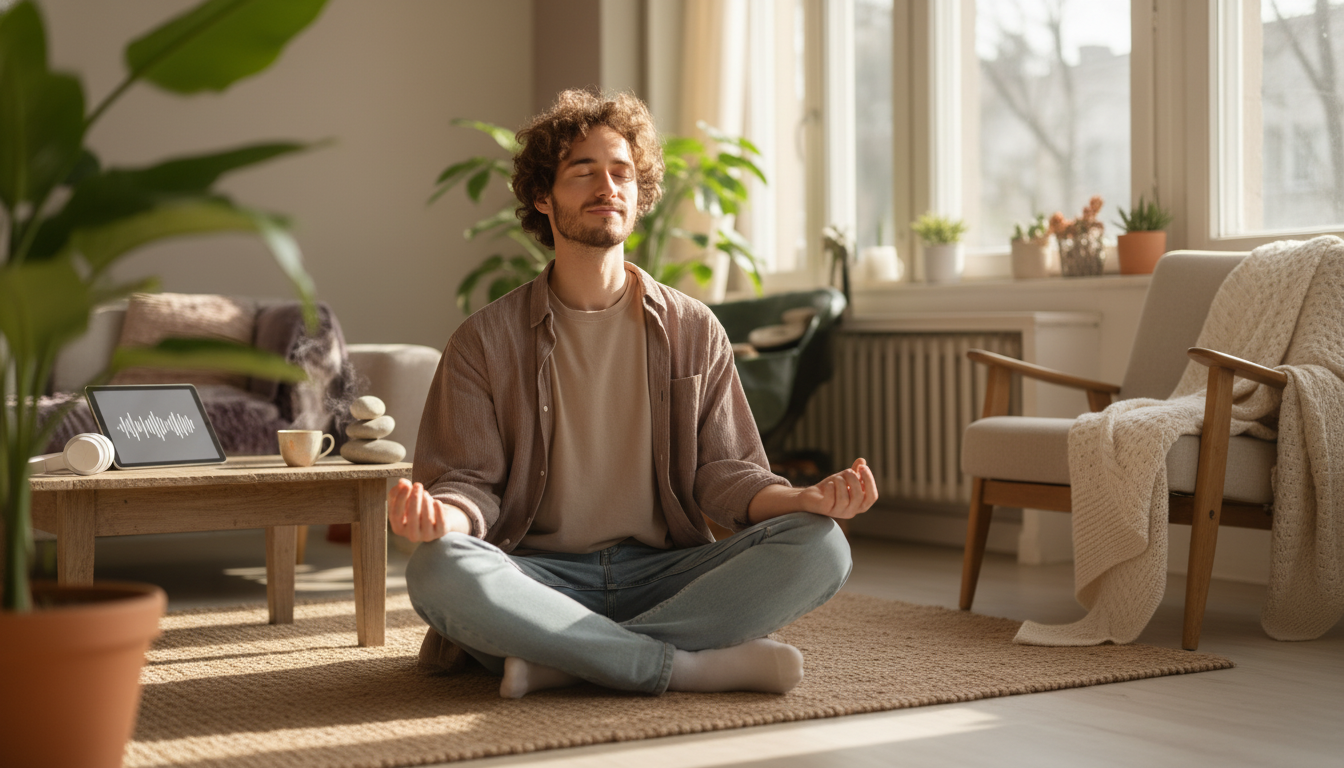
Mindfulness isn’t about “emptying your mind.” It’s about building the skill of returning—back to the breath, back to the body, back to what’s happening right now.
- Breath anchoring: keep attention on the sensation of breathing; when the mind wanders, gently return without judgment.
- Body scan: notice tension areas (jaw, shoulders, stomach) and soften them on the exhale.
- 5-4-3-2-1 grounding: identify five things seen, four felt, three heard, two smelled, and one tasted to interrupt spirals.
- Micro-mindfulness: choose one routine activity (washing hands, making tea) and do it with full attention for one minute.
- After-practice check-in: note whether intensity changed (even from 8/10 to 7/10). Small shifts matter.
For more background on anxiety symptoms and how common they are, see the National Institute of Mental Health — Anxiety Disorders.
Positive thinking without denial: building balanced self-talk
Balanced thinking isn’t forced optimism. It’s replacing extremes with something more accurate, so your brain can choose a helpful response instead of bracing for disaster.
The American Psychological Association — Anxiety also emphasizes how anxiety can influence thoughts, feelings, and behavior, which is why combining mindset tools with practical structure can feel so stabilizing.
Printable checklist strategies for high-stress days
Who this bundle can help most
Practical expectations and safety notes
FAQ
How quickly can a structured routine reduce anxiety?
Some people notice small shifts after one session (slower breathing, slightly lower intensity), but stronger changes usually come from daily practice over a few weeks. Tracking a simple 0–10 anxiety rating once or twice a day can make progress easier to notice.
Are mindfulness exercises safe if anxiety feels intense?
They can be, but it often helps to start very small—short sessions, eyes open, and a focus on grounding rather than deep inward attention. If symptoms worsen (especially with a trauma history), pause and consult a qualified clinician for personalized guidance.
How can a printable checklist help when motivation is low?
A checklist reduces decision fatigue by giving you a default plan when your brain feels overloaded. Keeping steps short and placing the list where you’ll see it can make “minimum viable” actions much easier to start.







Leave a comment