Toddler Nightmares: Comfort Scripts & Bedtime Fixes

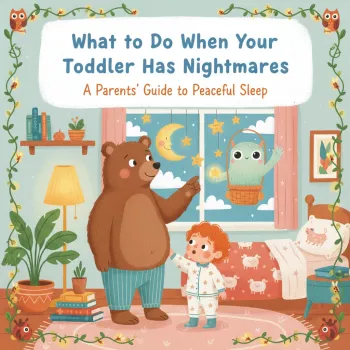
What to Do When Your Toddler Has Nightmares: Practical Comforting Tips and Bedtime Solutions
Nightmares can feel huge to a toddler—big emotions, vivid images, and a body that’s still learning how to calm down. The goal isn’t to “fix” fear in the moment, but to help a child feel safe, return to sleep, and build confidence that nighttime is manageable. The steps below focus on what to do right after a nightmare, how to prevent repeat wake-ups, and when to consider extra support.
Nightmares vs. Night Terrors: Why the Difference Matters
Before choosing a response, it helps to know what you’re dealing with. Nightmares and night terrors can both look intense, but they call for different strategies.
- Nightmares usually happen in the second half of the night; a toddler often wakes fully, seeks comfort, and may describe scary images in simple terms.
- Night terrors often happen earlier in the night; a child may scream, look awake, and be hard to console, but isn’t fully conscious and typically doesn’t remember in the morning.
- If a child is awake and asking for help, respond like a nightmare; if not fully awake, prioritize safety and keep stimulation low.
| Feature | Nightmares | Night terrors |
|---|---|---|
| Timing | Often later night / early morning | Often first third of the night |
| Awareness | Child wakes and can be comforted | Child appears awake but is not fully conscious |
| Memory | May recall parts in the morning | Usually no memory |
| Best response | Comfort, reassurance, help back to sleep | Keep safe, minimal interaction, wait for it to pass |
For additional background from pediatric sleep experts, see guidance from the American Academy of Pediatrics (HealthyChildren.org) and parent education resources from the American Academy of Sleep Medicine.
What to Do in the Moment: A Calm, Repeatable Plan
After a nightmare, the fastest path back to sleep is usually the simplest: calm adult energy, minimal stimulation, and a predictable sequence your toddler learns to trust.
- Pause, breathe, and keep the room dim. A calm adult nervous system helps a toddler settle faster.
- Use a short safety script. Try: “You’re safe. I’m here. That was a scary dream. Your body is okay.”
- Offer gentle connection first. A hug or a hand on their back before questions often works better than asking for details (which can amplify fear).
- Check basics quickly. Water sip, bathroom, temperature, favorite stuffed animal—then return to the same sleep spot.
- Limit big changes. Avoid bright lights, screens, snacks, or leaving the bedroom for long periods, which can accidentally reinforce wake-ups.
- If the dream involves a specific fear, validate and set a boundary. “Dreams can feel real, but they can’t hurt you.” If they mention monsters or shadows, keep it brief and grounding rather than launching an extended “search.”
Comforting Phrases and What to Avoid
Toddlers don’t need perfect words—they need steady, simple reassurance that signals safety.
Helpful phrases
- “That was scary. You’re safe now.”
- “Let’s take three slow breaths together.”
- “I’ll stay for two minutes while your body relaxes.”
- “Your room is safe. Your bed is safe. I’m right here.”
What to avoid (and why)
- “There’s nothing to be scared of.” This can feel dismissive when the fear feels real in their body.
- Long explanations. At 2:00 a.m., extra words can be activating.
- Promises you can’t keep. “No more bad dreams ever” can backfire if it happens again.
If your toddler begs to sleep elsewhere, consider a predictable compromise: a brief cuddle, then back to bed with a comfort object or a dim night light. If you choose to stay, try setting a tiny boundary (“I’ll sit by the bed for two minutes, then I’ll go to the door, then I’ll do a check-in.”) so support gently fades instead of growing.
Bedtime Routine Tweaks That Reduce Nightmares Over Time
Nightmares can’t always be prevented, but a calmer runway into sleep often reduces intensity and repeat wake-ups.
Daytime Support: Building Brave Skills When It’s Light Outside
When to Get Extra Help
For additional general guidance on children’s sleep challenges, the NHS has parent-facing information that can help you spot when sleep problems may need extra attention.
A Guided, Step-by-Step Support Option
- What to Do When Your Toddler Has Nightmares | Ebook Guide for Parents | Practical Comforting Tips & Bedtime Solutions includes practical scripts, bedtime adjustments, and calming techniques designed for real-life nighttime wake-ups.
- For families who like printable practice tools for daytime regulation, Memory Boost Worksheets for Students & Adults | Printable Digital Download | Brain Training eBook, Memory Techniques, Study & Recall Tools can also be used for simple “quiet focus time” while you build a steadier evening rhythm (for caregivers and older kids).
FAQ
Should a toddler talk about the nightmare right away?
Prioritize calming and returning to sleep first, keeping nighttime talk minimal. If they want to share, validate briefly and reassure safety. More detailed discussion can happen in the morning when everyone is regulated.
Is it okay to let a toddler sleep in a parent’s bed after a nightmare?
Occasional exceptions happen, but frequent bed-sharing after nightmares can create a pattern of wake-ups. When possible, offer comfort in their room and gradually fade support (a short sit-in, then check-ins) to help them return to sleep.
When are nightmares a sign of something more serious?
Be cautious if nightmares are frequent and paired with daytime anxiety, major sleep disruption, regression, or signs of sleep-breathing issues. A pediatrician can help assess patterns and rule out medical concerns, especially after stressful or traumatic events.











Leave a comment