Zero-Based Budgeting: A Simple First-Month Setup
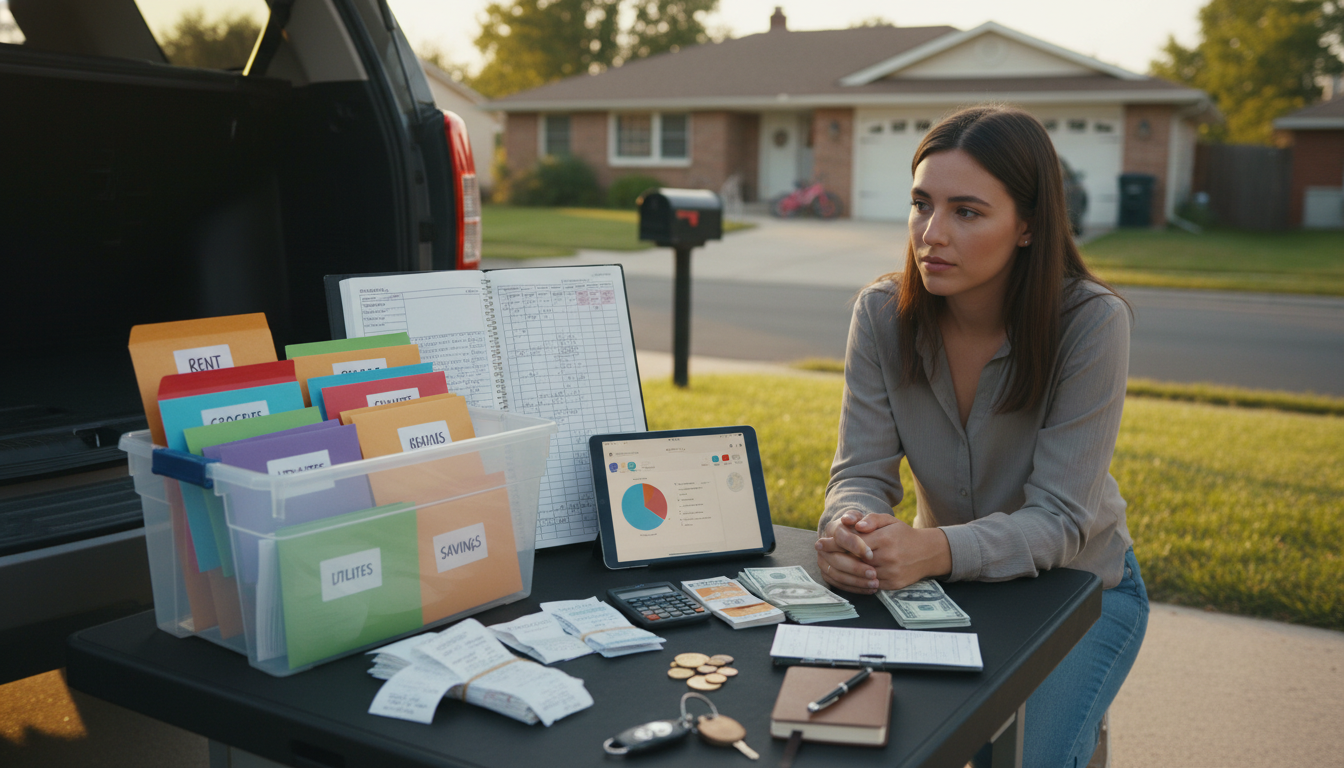
What is zero-based budgeting and how do I set it up for my first month?
Zero-based budgeting is a method where every dollar you expect to earn is assigned a specific job before the month begins—bills, savings, debt payoff, and spending money—so your “leftover” becomes $0. That doesn’t mean you spend everything; it means you decide where it goes, including goals like building an emergency fund or extra payments on debt.
How zero-based budgeting works
Start with your monthly take-home income. Then list all expenses and goals, from fixed bills (rent, insurance) to variable costs (groceries, gas) and sinking funds (car repairs, gifts). The core rule is simple: Income minus allocations equals zero. If it doesn’t, you adjust categories until it does.
How to set it up for your first month (step by step)
1) Choose a budgeting tool. A spreadsheet, notes app, or budgeting app all work. The best option is the one you’ll actually update weekly.
2) Calculate your income for the month. Use net pay (after taxes). If income varies, estimate conservatively based on the lowest predictable amount.
3) Write down your “must-pay” expenses first. Rent/mortgage, utilities, minimum debt payments, childcare, and insurance come before everything else.
4) Fund essentials next. Groceries, transportation, phone, and basic household needs. Use last month’s statements to set realistic amounts.
5) Add savings and debt goals. Even $25–$50 to emergency savings counts. If high-interest debt is a priority, assign an extra payment category.
6) Include irregular expenses. Create sinking funds for annual or occasional costs (registration, holidays, subscriptions). Divide the yearly cost by 12.
7) Give the remaining dollars purpose. Allocate to discretionary categories (eating out, entertainment) until the budget hits zero.
8) Track and adjust weekly. If groceries run high, move dollars from a lower-priority category—without breaking your essentials.
For a deeper walkthrough and examples you can copy, read the full guide here: https://amelin.shop/blog/what-is-zero-based-budgeting-and-how-do-i-set-it-up-for-my-first-month/.
FAQ
What categories should I include in a zero-based budget?
Include fixed bills, variable essentials (groceries, gas), debt payments, savings goals, sinking funds for irregular expenses, and a small “fun” category so the plan is sustainable.











Leave a comment