First-Year Independence: Essential Adult Life Skills
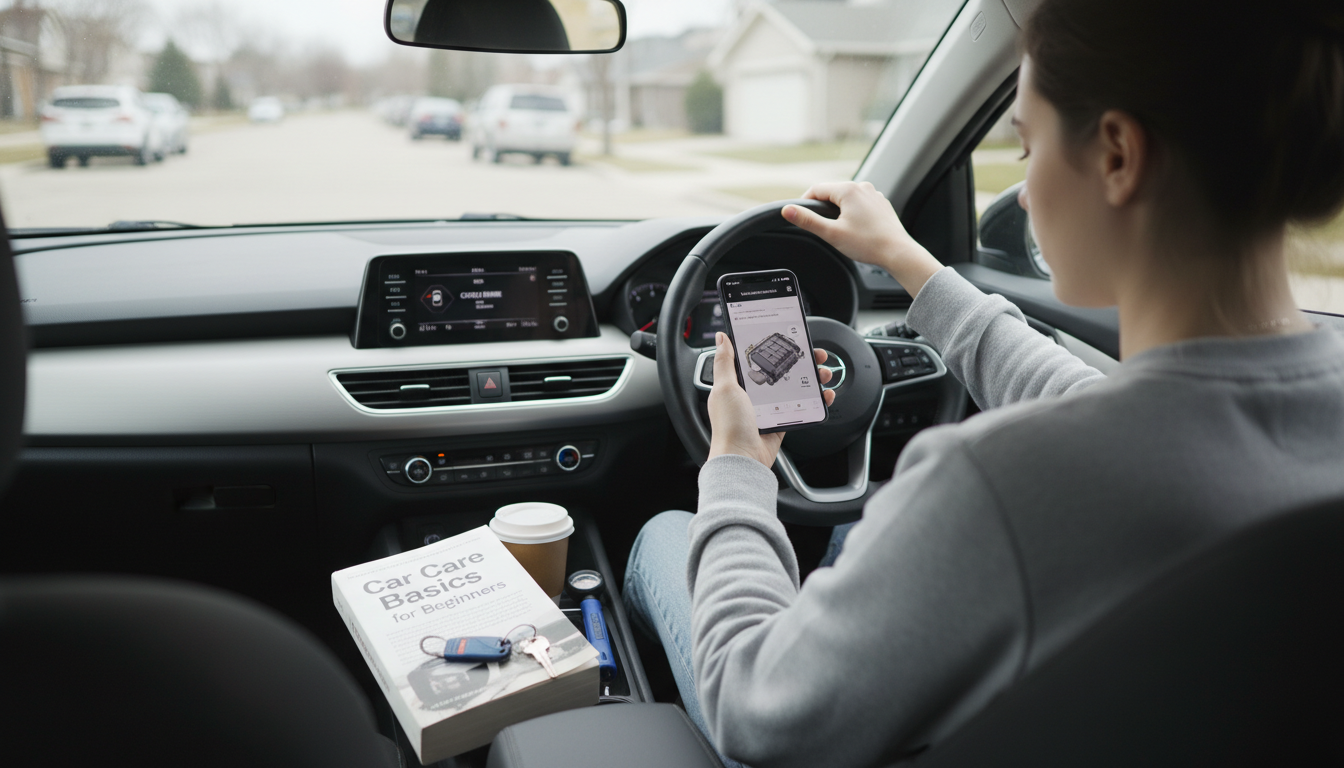
What are the most important adult life skills to learn in your first year living independently?
The first year on your own is when small habits turn into big wins (or expensive problems). The most important adult life skills are the ones that keep you stable: managing money, keeping a home running, taking care of your health, communicating clearly, and handling basic admin tasks without procrastinating them into emergencies.
Budgeting and bill management
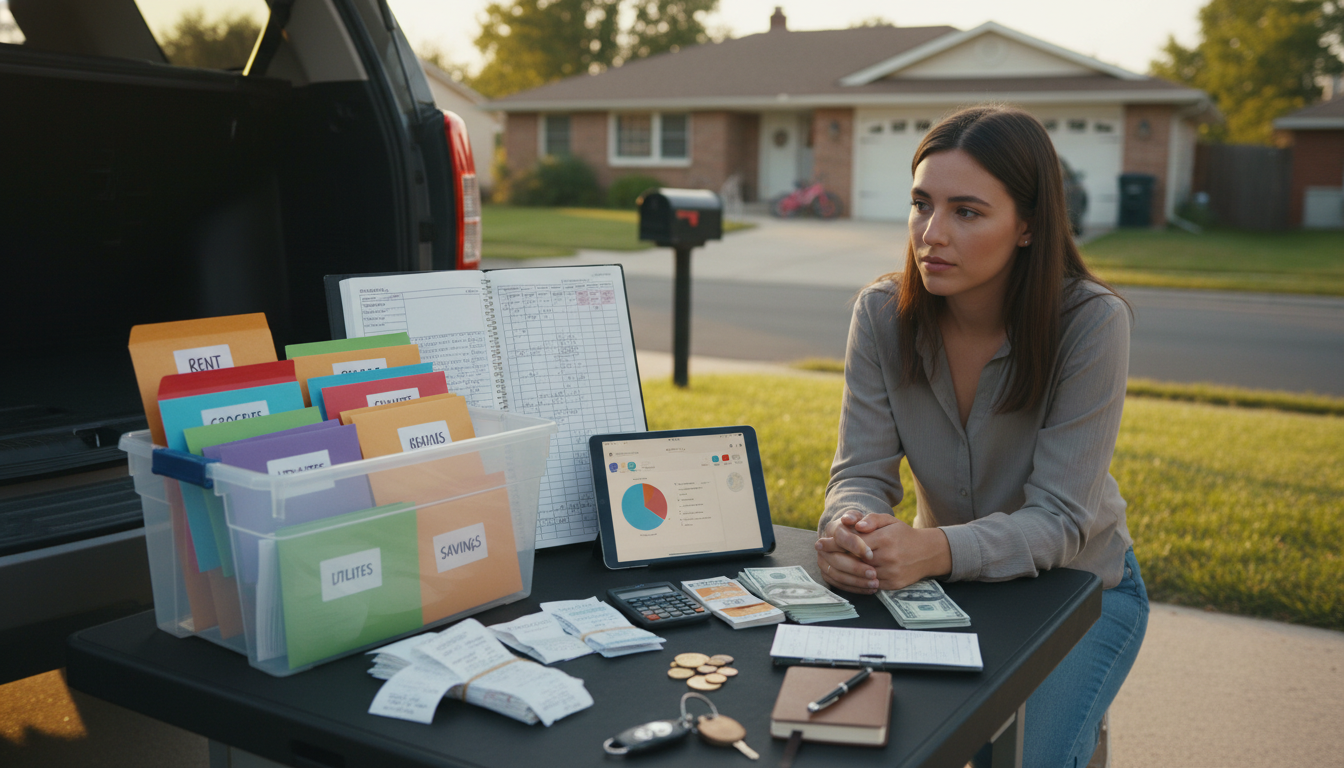
Learn a simple monthly budget: rent, utilities, groceries, transportation, savings, and a “miscellaneous” buffer for surprises. Set up autopay for fixed bills, calendar reminders for variable ones, and check your account weekly so overdrafts and late fees don’t sneak up. Building an emergency fund—even $500 to start—makes the whole year calmer.
Cooking and grocery planning
Knowing a handful of repeatable meals saves money and reduces stress. Focus on basics: a protein you can cook two ways, a grain, and a vegetable that works in multiple dishes. Make a short list before shopping, avoid “panic takeout” by keeping quick staples at home, and learn food safety (storage times and safe reheating).
Cleaning, laundry, and home upkeep
Create a realistic cleaning rhythm: daily reset (dishes, trash), weekly tasks (bathroom, floors, sheets), and monthly maintenance (filters, fridge cleanout). Learn laundry care symbols, how to treat common stains, and how to avoid shrinking and color-bleeding. Knowing where your shutoff valves, breakers, and basic tools are can prevent a minor issue from becoming a major one.
Time management and self-care
Independence works better with routines: consistent sleep, scheduled meals, and “admin time” for errands and paperwork. Learn to book appointments, refill prescriptions on time, and recognize when stress is building so you can adjust before burnout hits.
Communication and boundaries
Practice clear messages with roommates, landlords, coworkers, and family: what you need, by when, and what you can offer. Boundaries around money, shared spaces, and time protect relationships—and your budget.
For a deeper checklist and practical examples, read the full guide here: What are the most important adult life skills to learn in your first year living independently?
FAQ
What should you prioritize buying first when you move out?
Start with safety and daily function: a basic first-aid kit, cleaning supplies, a few cooking essentials, and reliable bedding. Then add items that prevent recurring expenses, like a reusable water bottle, lunch containers, and a simple tool set.








Leave a comment