How to Spot High-Risk Destinations for Solo Travelers
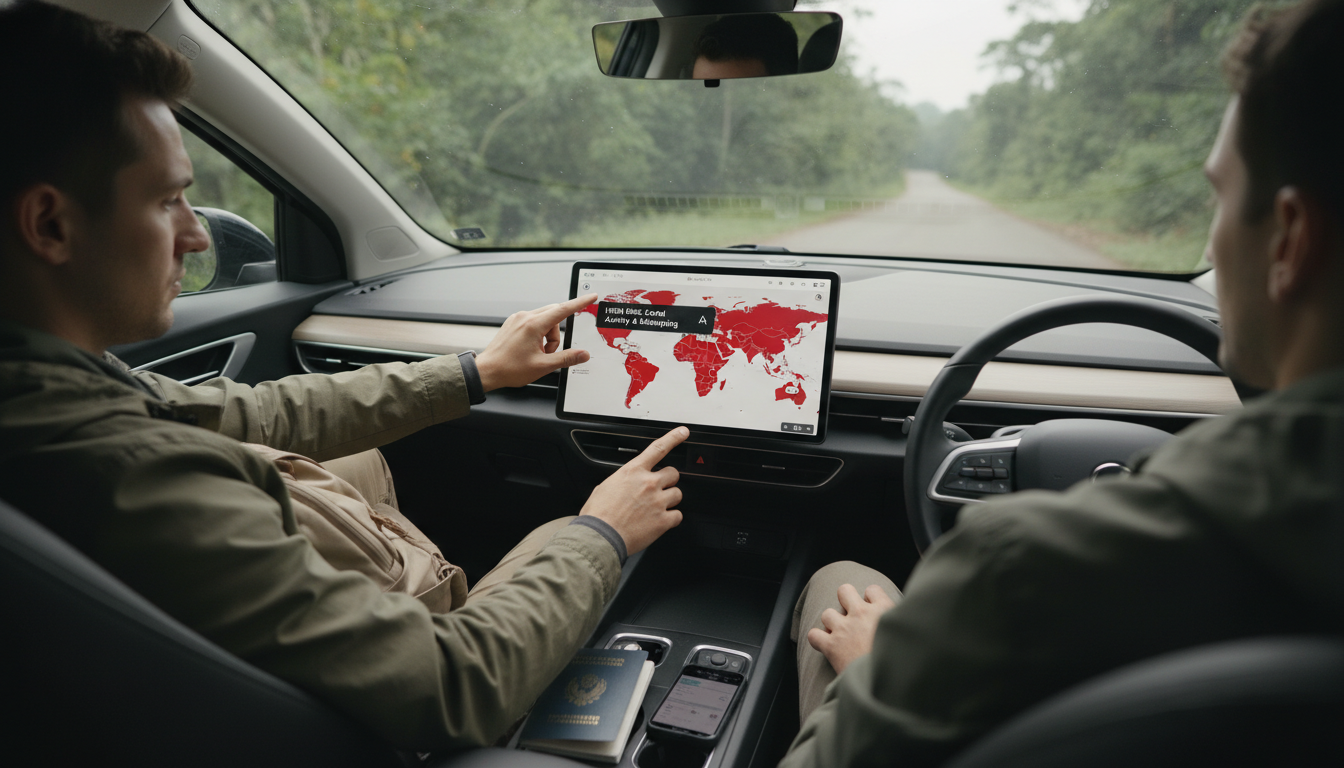
What is the world’s riskiest destination for solo travelers?
There isn’t one universally “riskiest” destination for solo travelers, because risk changes fast and depends on your profile (gender, LGBTQ+ status, language ability), your itinerary (night travel, rural areas, border zones), and what you consider most dangerous (violent crime, scams, political unrest, road safety, or health risks). The best approach is to identify the risks that matter to you, then compare destinations using current government advisories and on-the-ground reports from the last few weeks—not last year.
That said, the places that tend to rank as highest-risk for solo travelers are destinations with a combination of unstable security conditions, weak emergency response, and limited infrastructure for independent travelers. Examples often include active-conflict areas and countries experiencing widespread kidnapping, armed robbery, or major civil unrest. Even within a “high-risk” country, safety can vary dramatically by neighborhood and time of day.
How to judge “risky” in a practical way
Instead of chasing a single label, look for these red flags when deciding whether a destination is too risky to do solo:
- Advisories at Level 3–4 (reconsider travel / do not travel), especially for terrorism, kidnapping, or armed conflict.
- Inconsistent policing and medical care, where response times are slow and hospitals are limited.
- High rates of street crime targeting phones, bags, and travelers in transit hubs.
- Road and transport danger, including reckless driving, unsafe buses, or night travel on poorly lit roads.
- Connectivity gaps (spotty cell service), making it hard to navigate or call for help.
Smart ways to reduce risk anywhere
Solo travel can be safer when you design your trip around predictable routines: arrive in daylight, pre-book your first night, keep backup payments, and share your live itinerary with a trusted contact. For a detailed, step-by-step checklist—covering situational awareness, lodging selection, transport habits, and what to do if something goes wrong—use this guide: Solo Travel Safety Guide: Smart Habits & Checklist.
FAQ
What is the riskiest country for solo travel?
No single country is always the riskiest; the answer changes with current events and varies by region inside the same country. Check up-to-date travel advisories and recent incident patterns for the specific cities and routes you’d use.











Leave a comment