5-Minute Breathing Reset for a Short Break (Anywhere)
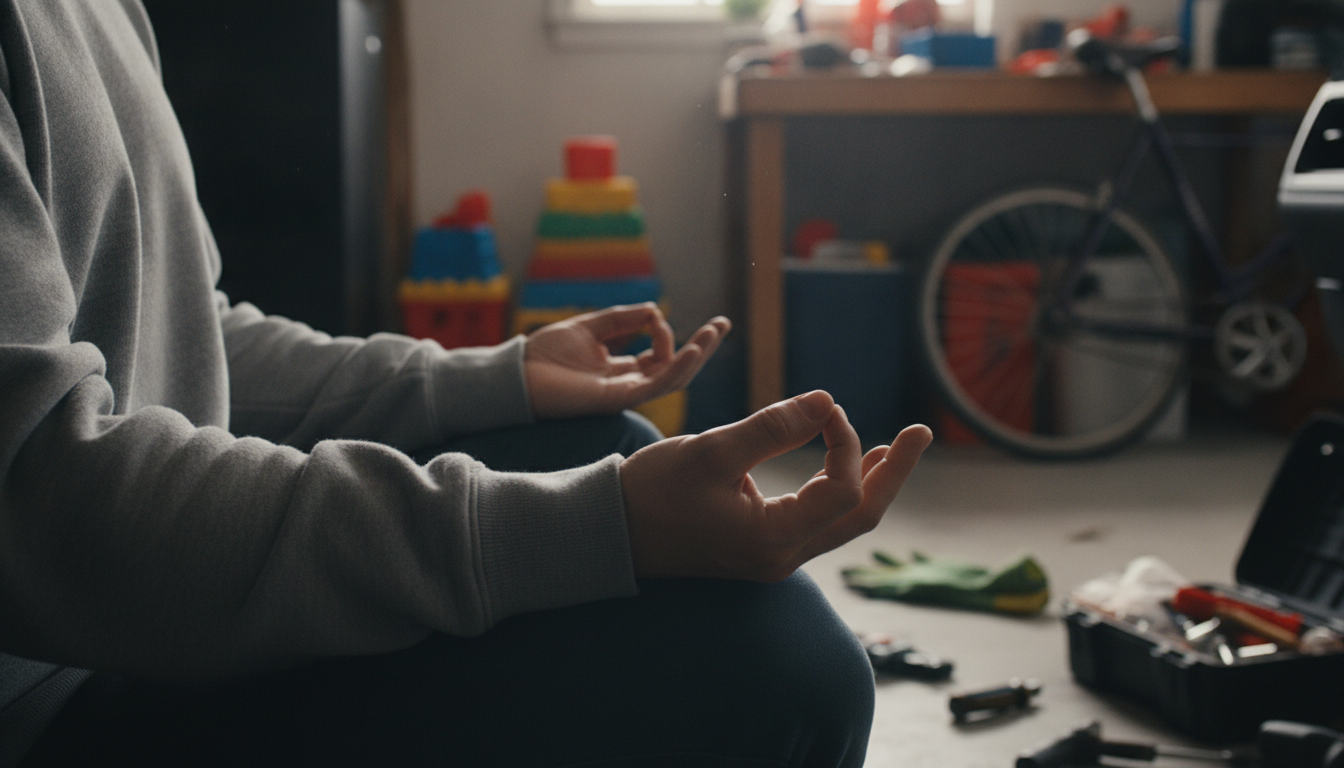
How do you do a 5-minute breathing exercise when you only have a short break?
When your break is truly short, the goal isn’t “perfect” breathing—it’s a quick reset you can do anywhere: at your desk, in the car (parked), in a hallway, or before you walk back into a busy room. This 5-minute routine uses simple counting to help your nervous system shift out of fight-or-flight and back into steadier focus.
Step 1: Set a tiny boundary (10 seconds)
Sit or stand with both feet on the floor. Let your shoulders drop. If you can, soften your gaze or close your eyes. Tell yourself: “For five minutes, nothing else is required.”
Step 2: Do “physiological sighs” to release tension (40 seconds)
Inhale through your nose about halfway, then take a quick second sip of air to top it off. Exhale slowly through your mouth. Repeat 3 times. This quickly lowers the “stuck” tightness that can build up in your chest and neck.
Step 3: Switch to a steady 4–6 rhythm (3 minutes)
Breathe in through your nose for a count of 4, then breathe out for a count of 6. Keep the exhale gentle, like you’re fogging a mirror without force. If counting stresses you out, just aim for an inhale that’s slightly shorter than your exhale.
Step 4: Add a grounding cue so it sticks (60 seconds)
On each exhale, silently name one neutral sensation: “feet,” “hands,” “jaw,” or “chair.” If thoughts keep barging in, that’s normal—return to the next exhale and your cue word.
Step 5: Re-enter on purpose (10 seconds)
Take one normal breath. Roll your shoulders once. Decide your next single action (e.g., “refill water,” “send the email,” “pick up the kids”). If you want a guided option, follow the audio-based reset in this resource: 5-minute audio reset guide.
FAQ
Is it better to breathe through your nose or mouth for relaxation?
Nasal breathing is usually calmer and more regulating, especially on the inhale. If your nose feels blocked, use a soft mouth exhale and return to nasal breathing when it’s comfortable.











Leave a comment