Confident Kids Bundle Age Guide (3–13) + Easy Tweaks
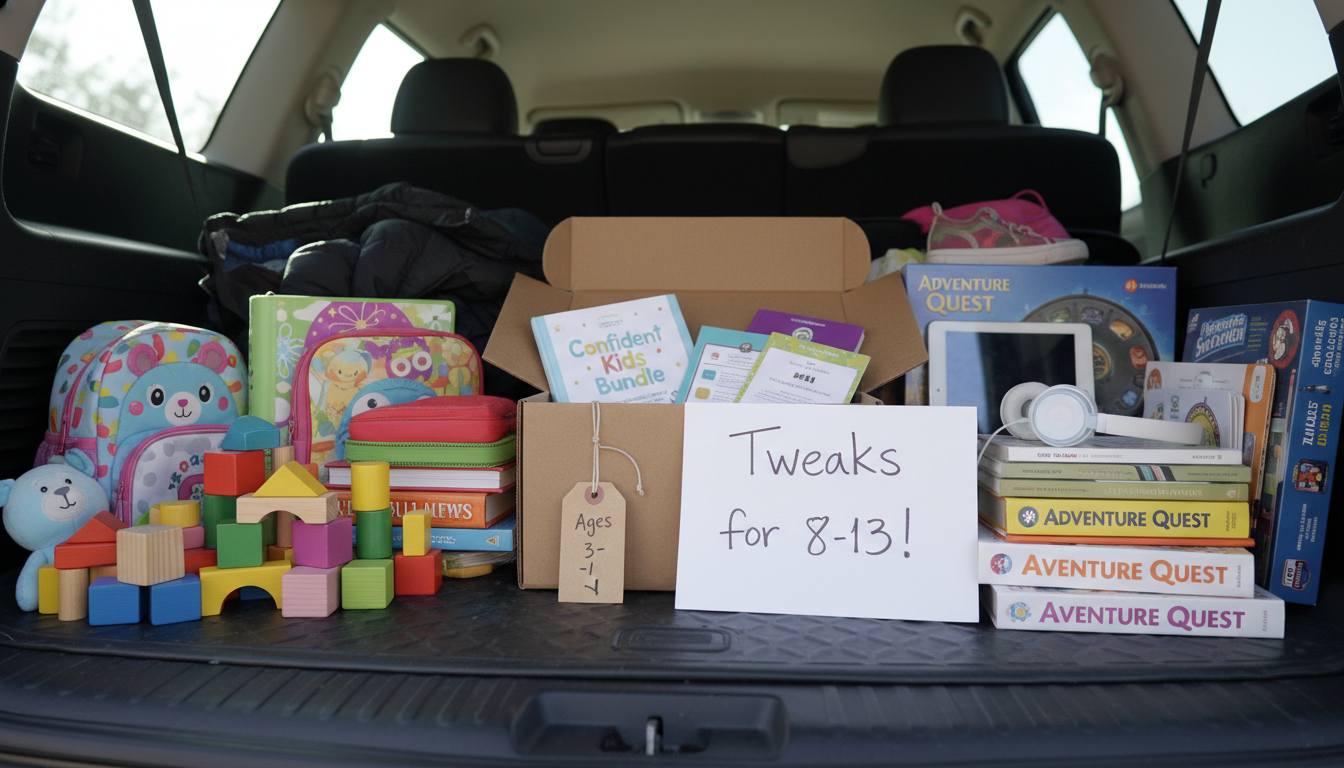
What ages is the Confident Kids Bundle best for, and can it be adapted for older or younger kids?
The Confident Kids Bundle is typically a great fit for elementary-age kids who are starting to build stronger emotional awareness, social skills, and independence—often around ages 5–10. At this stage, children can follow short prompts, practice simple routines, and talk about feelings with enough detail to make the activities “stick.”
Best-fit age range (most plug-and-play)
For many families, ages 5–10 is the easiest window to use the bundle as intended. Younger kids are developing language for emotions and behavior, while older elementary kids can reflect on situations at school, with friends, and in activities—making confidence-building exercises more meaningful.
How to adapt for younger kids (preschool to early kindergarten)
For ages 3–5, keep things shorter and more visual. Read prompts aloud, offer two simple choices, and focus on labeling emotions (“mad,” “sad,” “nervous,” “proud”) rather than long explanations. Break activities into 2–5 minute moments and repeat the same confidence routine for several days so it becomes familiar. Using role-play (stuffed animals, dolls, or pretend scenarios) also helps younger kids practice without pressure.
How to adapt for older kids (upper elementary to early middle school)
For ages 11–13, kids often want more autonomy and less “kid-style” framing. Let them choose which activities to use and when, and shift the focus toward real-world situations like presentations, sports tryouts, friend conflict, or test anxiety. Encourage journaling, goal-setting, and self-reflection (“What worked last time?” “What’s the smallest next step?”). Older kids may also respond well to tracking progress weekly instead of daily.
When it may need extra tailoring
Every child develops differently. Kids who are highly anxious, neurodivergent, or going through a big transition may benefit from slower pacing, more repetition, and practicing skills in calm moments before trying them in tougher situations.
For a deeper breakdown and practical examples by age, visit the full guide here: https://amelin.shop/blog/what-ages-is-the-confident-kids-bundle-best-for-and-can-it-be-adapted-for-older-or-younger-kids/.
FAQ
How long does it take to see results from confidence-building activities?
Some kids show small changes in a week or two, like trying new things with less hesitation. Bigger gains usually come after consistent practice over several weeks, especially when adults reinforce the same language and routines in daily life.












Leave a comment