Dog Temperament Types: Confident, Cautious, Reactive, Independent
How do I identify my dog’s temperament type (confident, cautious, reactive, independent)?
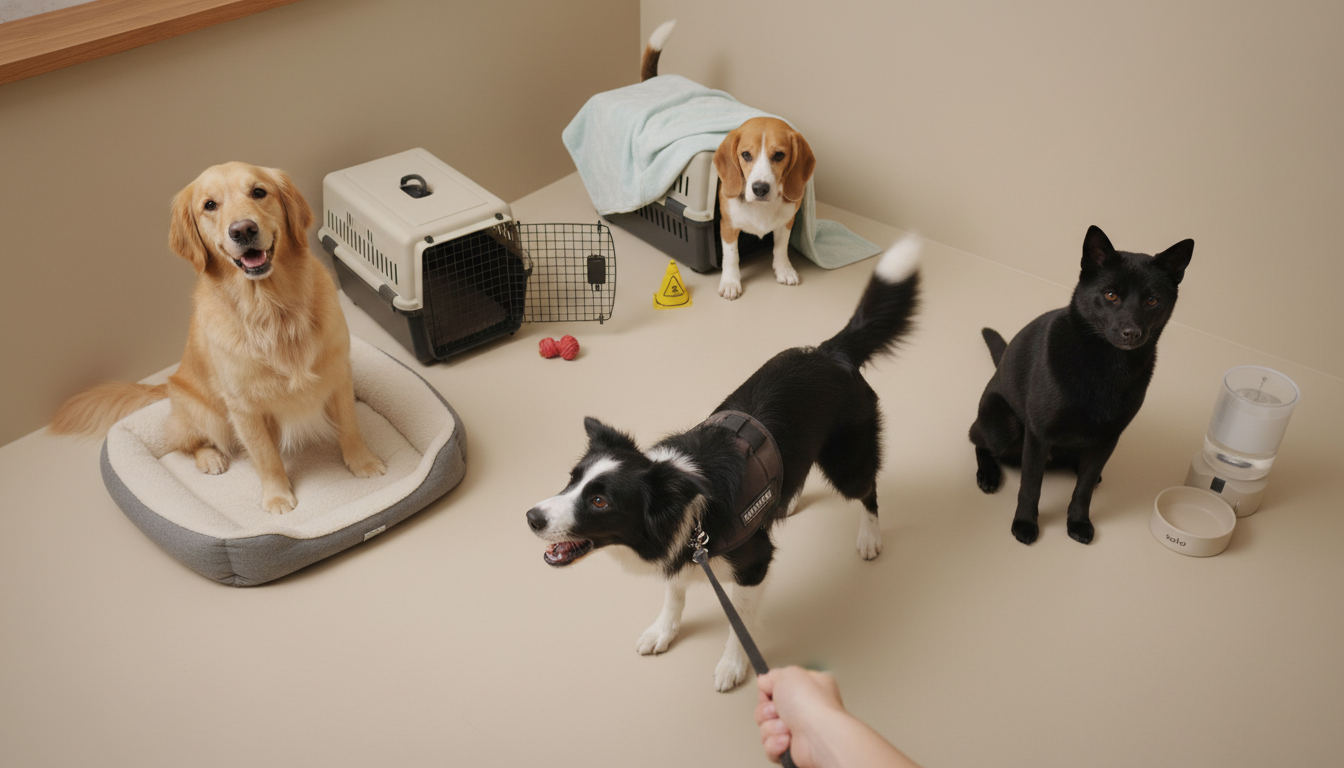
Start by watching your dog in everyday moments that naturally reveal personality: greetings at the door, meeting new people or dogs, hearing sudden noises, encountering novel objects (a box, an umbrella), and being left alone briefly. Temperament is the consistent “default setting” your dog returns to across situations—not a one-off reaction from a bad day, pain, or lack of sleep.
Step 1: Observe first reactions and recovery time
In each scenario, note (1) how quickly your dog engages or withdraws, and (2) how fast they settle afterward. A dog that startles but recovers in seconds is different from one who stays on edge for minutes.
Step 2: Match patterns to the four common types
Confident: Approaches new things with loose body language, curiosity, and steady appetite/play. Recovers quickly from surprises and can redirect attention to you or a toy.
Cautious: Hangs back, scans, and prefers distance before choosing to engage. May take treats only after observing for a while. Improves with predictable routines and gentle, choice-based exposure.
Reactive: Has big, fast responses to triggers (dogs, strangers, bikes, sounds). You’ll see lunging, barking, stiff posture, or frantic movement, often paired with difficulty calming down. Reactivity can be fear-based or frustration-based; the common thread is intensity and low threshold.
Independent: Comfortable exploring without constant check-ins, may ignore social pressure, and prefers doing things on their own terms. Not necessarily “stubborn”—often just self-directed and less motivated by praise.
Step 3: Look for body-language tells
Loose wag, soft eyes, and a curved body usually signal comfort. Tucked tail, pinned ears, lip licking, yawning, and turning away often indicate stress. A tall, forward-leaning stance with hard staring can precede a reactive outburst.
Step 4: Keep a simple behavior log
Track triggers, distance (how close is too close), intensity (1–5), and recovery time. After a week, patterns typically become clear and help separate “cautious” from “reactive,” or “confident” from “independent.”
For a deeper breakdown and practical examples, visit the full guide on identifying your dog’s temperament type.
FAQ
Can a dog have more than one temperament type?
Yes. Many dogs show a primary style (like cautious) with a secondary tendency (like independent), and the mix can shift by context—home versus busy public spaces, for example.










Leave a comment