Safe Space Mapping: Set Boundaries Without Conflict
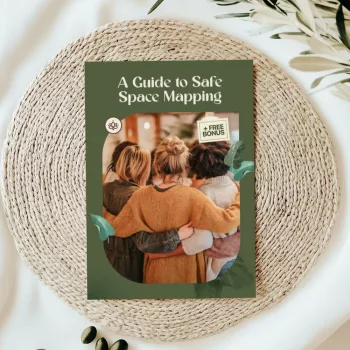
How do you use safe space mapping to set and communicate boundaries without conflict?
Safe space mapping is a simple way to identify what helps you feel calm and what pushes you into stress, then turn those insights into clear, workable boundaries. The key to avoiding conflict is to treat boundaries as practical information (what works and what doesn’t), not as criticism of someone else.
Answer
1) Map your “green, yellow, red” zones before you talk
Start by listing situations, topics, places, and behaviors that feel supportive (green), uncomfortable but manageable (yellow), and overwhelming (red). Add details that matter: time of day, noise level, touch, pacing, alcohol, group size, or surprise changes. The more specific your map is, the easier it is to ask for what you need without sounding vague or extreme.
2) Translate the map into boundary statements
Turn each red-zone trigger into a boundary with three parts: your limit, a reason framed as a need, and what you will do to care for yourself. Example: “If voices get raised, I’m going to step outside for ten minutes so I can stay regulated. Then I can come back and talk.” This keeps the focus on your actions instead of controlling theirs.
3) Offer “yes options” alongside “no limits”
Conflict drops when people know what does work. Pair a limit with an alternative: “I can’t talk about this late at night. I can do tomorrow after lunch.” Or, “I’m not up for a crowded restaurant. I can do takeout or a quieter spot.” This signals collaboration without compromising your needs.
4) Communicate early, neutrally, and consistently
Share boundaries before a situation escalates—ideally when everyone is calm. Use steady language and avoid long justifications. If the boundary is tested, repeat it briefly and follow through on your plan. Consistency makes boundaries predictable, and predictability reduces friction.
5) Review and adjust your map over time
Your needs can shift with stress, health, seasons, or relationship dynamics. Revisit your map regularly and refine your boundaries so they stay realistic. For a step-by-step walkthrough and examples, see this practical guide to safe space mapping.
FAQ
What are some examples of “green zone” supports in safe space mapping?
Common green-zone supports include quiet time, predictable plans, a tidy or cozy environment, clear expectations, and small choices that restore a sense of control (like picking the seating or timing). The best supports are specific and easy to repeat.











Leave a comment