Squealing Brakes Fix: Diagnose Noises & Stop Squeaks
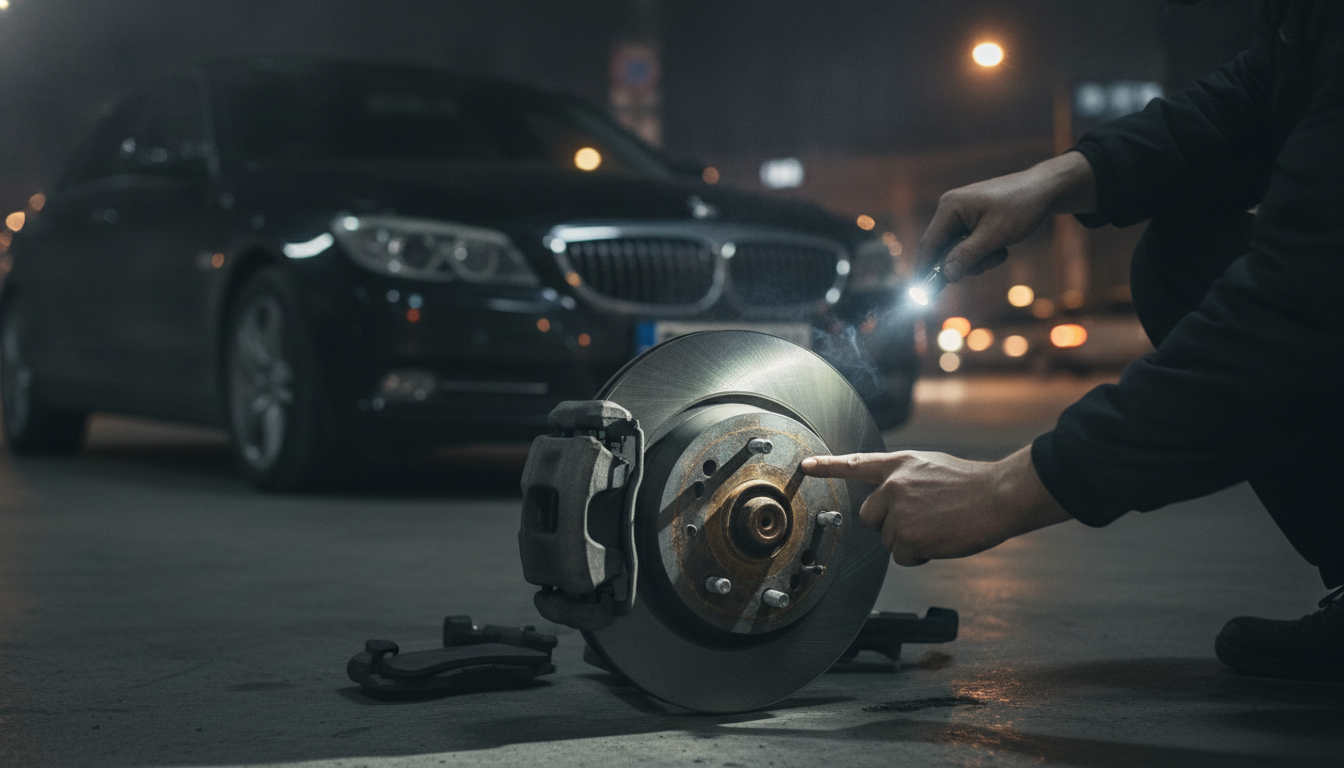
Managing Squealing Brakes: Troubleshooting Brake Noises for a Quieter, Safer Ride
Brake squeal can range from a harmless vibration to an early warning sign of worn parts, improper installation, or contamination. A calm, methodical check—starting with when the noise happens and ending with targeted fixes—helps reduce noise while protecting braking performance and safety.
What Brake Squeal Sounds Like (and Why It Happens)
Squeal is usually a high-frequency vibration between the brake pad, rotor, and caliper hardware. The rotor can act like a speaker, amplifying a small vibration into a sharp, attention-grabbing noise. Some pads also include wear indicators meant to squeal when friction material is getting low—annoying, but intentionally designed as a “time to inspect” alert.
Noise changes with conditions: humidity, overnight rust, temperature, and how the brakes are applied. Light braking at low speed often triggers vibration more than a firm stop. Pad compound matters too—some low-dust or higher-performance materials are simply more prone to squeal. The quietest setups combine strong friction performance with solid vibration control: clean contact surfaces, correct hardware, correct lubrication (only where appropriate), and proper torque on fasteners.
Common Brake Noises and the Most Likely Causes
| Noise pattern | When it happens | Most common causes | Best first check |
|---|---|---|---|
| High-pitched squeal | Light braking / low speed | Pad vibration, glazed pads/rotors, missing shims/hardware, wear indicator | Pad thickness, shims/clips, rotor surface condition |
| Grinding | Any braking | Pads worn to backing plate, debris between pad and rotor | Stop driving; inspect pads and rotor immediately |
| Thumping / pulsation | Moderate to hard braking | Rotor thickness variation, uneven deposits, loose wheel lugs | Wheel lug torque, rotor runout, bedding condition |
| Clicking | First stop after reversing | Pad movement, worn abutment clips, caliper hardware play | Caliper slides, abutment clips, pad fitment |
| Squeal after car wash or rain | First few stops | Surface rust, moisture film | Confirm noise disappears after several normal stops |
Quick Triage: When to Stop Driving and Get Help
Noise alone isn’t always an emergency, but certain symptoms are. Stop driving immediately if braking feels weak or spongy, the pedal sinks, the vehicle pulls sharply under braking, or there’s a burning smell or smoke near a wheel. Grinding or metal-on-metal sounds often mean the pad friction material is gone and rotor damage is happening right now.
If the ABS light or brake warning light is on, address the warning first before chasing squeaks. Also watch for heat: if one wheel is much hotter than the others after a short drive, a sticking caliper or parking brake issue may be creating constant contact—leading to rapid wear, glazing, and serious safety risk. For broader safety guidance, consult the NHTSA vehicle safety resources.
Pinpoint the Noise: A Simple Diagnostic Flow
Start by identifying the pattern. Does it happen only when cold, only after a long drive, only after rain, or mostly at low speeds with light pedal pressure? Note whether it occurs while turning, backing up, or during the first stop of the day.
Next, localize the source. With windows down, drive slowly in a safe area near a wall or garage opening (sound reflection can help) and determine whether it’s front or rear, left or right. Then review recent history: new pads/rotors, wheel installation, tire changes, or brake service that might have reused old clips or skipped lubrication points.
Finally, rule out non-brake noises. A wheel bearing growl often changes when steering left or right. CV joint clicking usually shows up while turning under power. Suspension squeaks commonly appear over bumps rather than during braking.
Most Common Causes of Squealing Brakes (and Practical Fixes)
Worn pads or wear indicators
If the wear indicator is contacting the rotor, the squeal is the message. Measure remaining friction material and replace pads at or near minimum thickness. Continuing to drive risks rotor damage and longer stopping distances.
Glazing and an uneven transfer layer
Overheating or gentle braking for long periods can glaze pads/rotors, creating a shiny surface that’s noisy and less consistent. If components are otherwise in good shape, deglazing (light surface refresh) followed by correct bedding-in can restore an even friction film.
Missing or incorrect hardware
Dry or stuck caliper slide pins
Contamination
Rotor issues and pad compound mismatch
Excessive runout, thickness variation, or a rough/incorrect surface finish can create vibration and noise. Measure and resurface or replace rotors as needed. If everything checks out but squeal persists, an OEM-style pad compound often quiets things down compared with aggressive or very low-dust formulas. For general wear and replacement guidance, see AAA’s automotive repair resources.
DIY Checks That Don’t Require Advanced Tools
Quiet-Ride Setup: Installation Details That Prevent Squeal
A Guided, Step-by-Step Plan for Persistent Brake Noise
Recommended Guides & Tools (Digital Downloads)
- Managing Squealing of Brakes: Your Ultimate eBook Guide for Troubleshooting Brake Noises and Ensuring a Quiet Ride
- AI Prompts for Content Calendars | Digital Download eBook, Social Media Content Planner Prompts, AI Marketing Guide for Creators & Entrepreneurs
FAQ
Is it safe to drive with squealing brakes?
Sometimes—brief squeal after rain or a car wash can be normal, and wear indicators are designed to squeal as a warning. Persistent squeal should be inspected soon, and any grinding, warning lights, poor pedal feel, pulling, smoke, or burning smell means stop driving and get help immediately.
Why do brakes squeal after new pads and rotors are installed?
The most common causes are reused or missing hardware, improper bedding-in, light contamination on the friction surfaces, pad compound characteristics, rotor finish issues, or dry/stuck slide pins. A recheck of hardware fit, lubrication points, and bedding procedure usually identifies the culprit.
Does brake cleaner stop squeal permanently?
Brake cleaner can remove light surface contaminants, but it won’t fix underlying problems like glazing, vibration from missing hardware, incorrect lubrication, rotor runout, or worn pads. Lasting quiet typically requires correcting the root cause and confirming proper installation details.










Leave a comment