Self-Love & Worthiness Meditations: Audio Course Guide
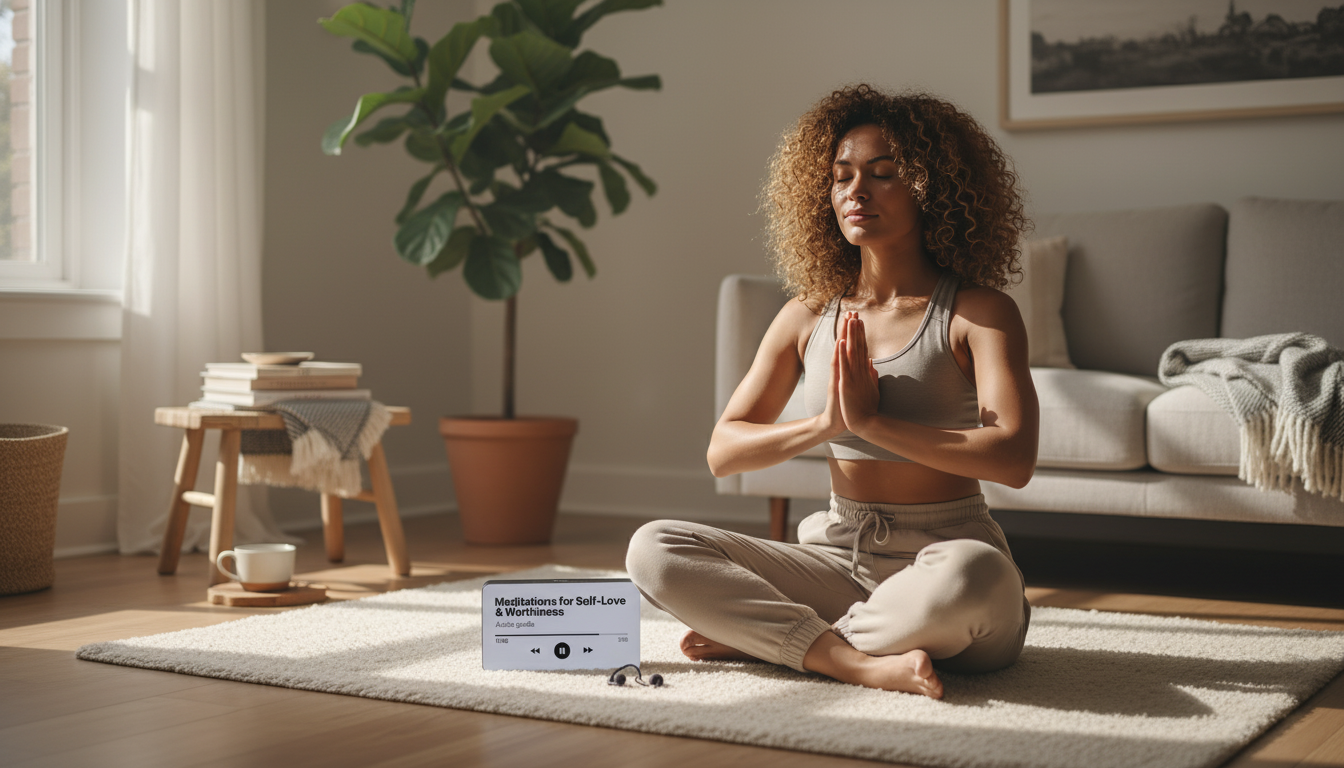
Meditations for Self-Love & Worthiness: An Audio Course for Confidence, Calm, and Inner Healing
Self-love and worthiness aren’t traits to “achieve” once—they’re inner states that can be practiced, strengthened, and returned to, especially during stressful seasons. An audio-based course makes that practice easier to keep: press play, follow a clear voice, and let the guidance carry attention back to safety, compassion, and steady confidence. The approach blends guided meditation, affirmations, and mindfulness to help interrupt harsh self-talk, soften anxiety, and build a more supportive inner relationship over time.
Why self-love practices can feel hard (and why audio guidance helps)
For many people, “work on self-love” sounds simple, but it can bring up friction fast—especially if old patterns are loud. Worthiness wounds often show up as overthinking, people-pleasing, perfectionism, comparing, or feeling “behind,” even when life looks fine on paper.
Silent meditation can also be challenging when the mind is busy. Guided audio offers structure, pacing, and reassurance, which can keep attention from spiraling. Instead of wrestling with what to do next, you can follow a steady sequence: breath cues, grounding prompts, and a compassionate voice that helps you stay with the practice.
Affirmations can feel unrealistic at first, too. Pairing them with calming breath and somatic cues (like relaxing the jaw or softening the belly) helps the body accept new messages more naturally. Over time, consistency matters more than duration—short, repeatable sessions can create meaningful shifts in mood regulation and self-trust. For a research-backed foundation on mindfulness training for stress, see Mindfulness-Based Stress Reduction (MBSR) from UMass Chan.
What this audio course supports
A focused self-love and worthiness practice can support day-to-day functioning as much as it supports inner healing:
- Confidence: practicing self-respect, inner encouragement, and grounded presence during decisions, conversations, and transitions.
- Calm: using mindfulness skills to notice stress signals earlier and respond with steadier breath, attention, and body awareness.
- Inner healing: creating a kinder internal environment that reduces the impact of old narratives and strengthens emotional resilience.
- Daily integration: using guided tracks as a repeatable routine—morning centering, midday reset, or nighttime unwinding.
If you’d like a structured set of guided tracks you can return to again and again, explore Meditations for Self-Love & Worthiness | Audio Course.
A simple weekly rhythm (adaptable for busy schedules)
Rather than chasing the “perfect” routine, aim for a rhythm that can survive real life. Here’s an easy weekly loop that keeps the theme focused without requiring long sessions:
- Days 1–2: focus on safety and settling—choose a calming track to reduce mental noise before adding more reflective practices.
- Days 3–4: focus on worthiness—use guided affirmations after a short mindfulness warm-up to reduce resistance.
- Days 5–6: focus on confidence—practice visualization and boundary-supportive messages, especially before social or work stressors.
- Day 7: reflect and reset—repeat the most supportive session; note one emotional shift (even small) to reinforce progress.
On low-motivation days, commit to a minimum viable practice: one track, one breath, one kind sentence. This keeps the door open and protects consistency.
How to choose the right meditation for the moment
Different states call for different styles. Matching the track to your current need helps the guidance land faster—without forcing yourself into an emotional “before-and-after” performance.
Quick guide: match a track style to your need
| When it feels like… | Try this style | Goal for the session | Best time to listen |
|---|---|---|---|
| Racing thoughts, tight chest, irritability | Grounding mindfulness + breath cues | Stabilize attention and reduce stress intensity | Midday reset or before difficult tasks |
| Harsh inner critic, shame spiral | Self-compassion guided meditation + gentle affirmations | Replace self-attack with supportive inner language | After a setback or at night |
| Doubt before a decision or conversation | Confidence visualization + boundary-supportive prompts | Feel steady, clear, and self-respecting | Before meetings, calls, or social events |
| Emotional numbness or burnout | Restorative body scan / calming imagery | Reconnect to the body and allow recovery | Evening or pre-sleep |
Getting more from affirmations (without forcing belief)
For a deeper understanding of compassionate self-talk as a skill (not a personality trait), visit Self-Compassion by Kristin Neff, PhD.
Creating a supportive listening space
If you want a complementary tool for focus and follow-through (especially when stress affects memory and attention), pair your listening routine with Memory Boost Worksheets for Students & Adults as a simple, structured add-on.
Meditations for Self-Love & Worthiness: what’s included and who it’s for
Best results come from repetition: revisiting the same track builds familiarity and safety, which helps the messages land more deeply over time. You can also use these practices alongside therapy or coaching if desired; for acute distress, professional support is recommended. For a medical overview of meditation’s stress benefits, see Meditation: A simple, fast way to reduce stress (Mayo Clinic).
FAQ
How often should guided meditations be listened to for self-love and worthiness?
A practical cadence is 5–15 minutes daily or 3–5 times per week, with consistency mattering more than session length. Repeating the same favorite tracks can help the nervous system recognize safety and absorb the message faster over time.
What if affirmations feel fake or triggering?
Use “bridge statements” that feel believable today (for example, “I’m open to being kinder to myself”), and pair them with slow breathing and relaxed posture. Compassionate phrasing that acknowledges what’s true right now often reduces resistance and helps the practice feel safer.
Can this be used before sleep?
Yes—choose calmer, slower tracks, lower the volume, and make it part of a consistent wind-down routine. If a confidence track feels energizing, save it for earlier in the day and use a settling or restorative session before bed.












Leave a comment