Quick Daily Relaxation Techniques to Calm Anxiety Fast
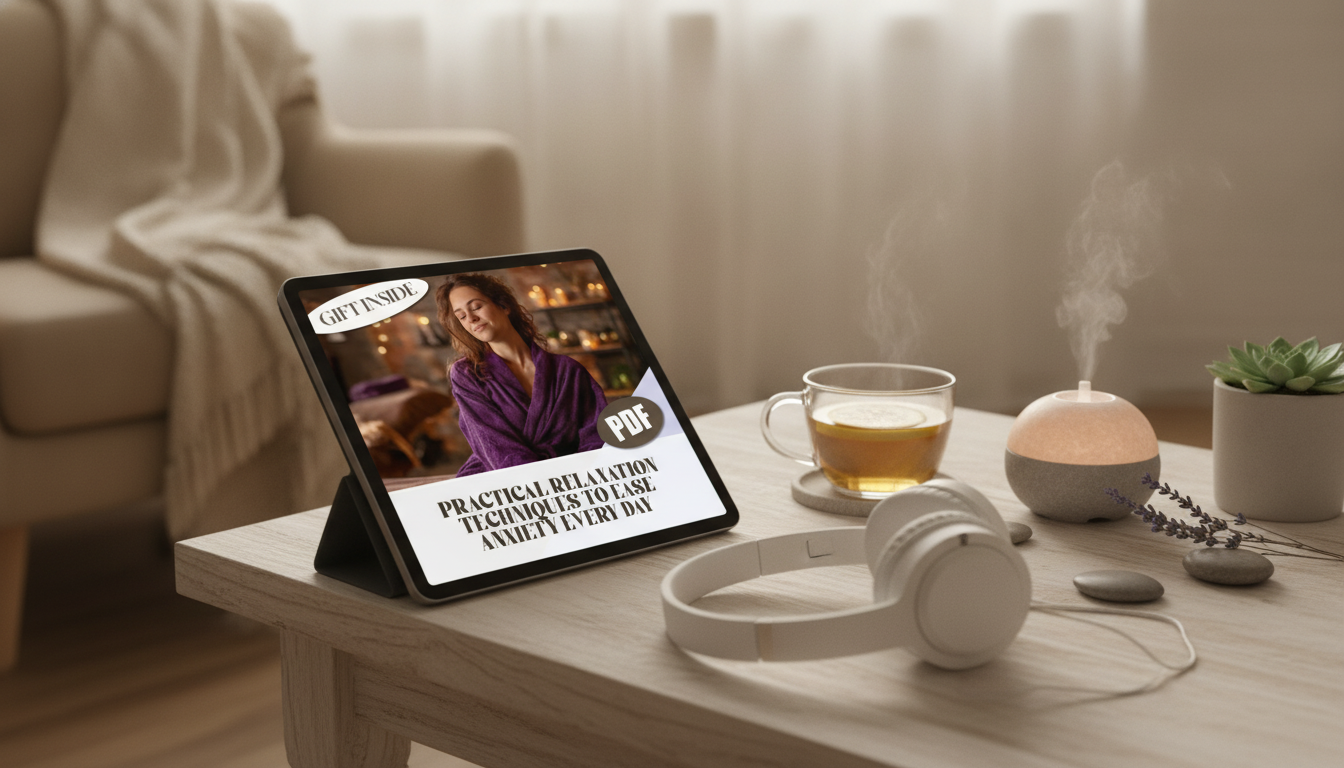
Calm Within: Practical Relaxation Techniques to Ease Anxiety Every Day
Anxiety often shows up as racing thoughts, a tight chest, restless energy, or trouble focusing. Small, repeatable relaxation skills can interrupt that spiral and help the body return to a steadier baseline. Below is a practical, day-by-day approach using short techniques that fit into real schedules—morning, midday, and night.
What daily anxiety can feel like in the body
For many people, anxiety is less of a “thought problem” and more of a full-body experience. Common signals include muscle tension (especially in shoulders and jaw), shallow breathing, stomach discomfort, headaches, irritability, and sleep disruption. These symptoms can feed back into worry—when the body feels keyed up, the mind looks for reasons.
Relaxation helps because it nudges the nervous system toward a calmer state, which can reduce the intensity of physical symptoms and make thoughts easier to manage. A helpful mindset is aiming to “lower the volume” rather than eliminating anxiety completely. Lower volume is measurable: fewer spikes, shorter recovery time, and less interference with daily tasks.
A quick reset for anxious moments (2 minutes or less)
When anxiety hits fast, the goal is not a perfect calm—it’s a quick downshift.
- Name the moment: Silently label what’s happening (“anxiety spike”). Labeling can reduce overwhelm and create a little space to respond.
- Change posture: Drop shoulders, unclench jaw, soften hands, and plant feet. A steadier posture signals safety to the body.
- Use a short exhale: Lengthen the exhale slightly to encourage a downshift in arousal.
- Pick one anchor: Choose a single sound, a visual point, or the sensation of feet on the floor.
Fast techniques for everyday anxiety
| Technique | Time | Best moment to use | How to do it |
|---|---|---|---|
| Physiological sigh | 30–60 sec | Sudden panic or racing heart | Inhale through nose, top up with a second short inhale, then long slow exhale; repeat 2–3 times |
| Box breathing | 1–3 min | Before a call, meeting, or commute | Inhale 4, hold 4, exhale 4, hold 4; repeat |
| 5–4–3–2–1 grounding | 2–4 min | Spiraling thoughts | Notice 5 things seen, 4 felt, 3 heard, 2 smelled, 1 tasted |
| Progressive release | 2 min | Tension in shoulders/jaw | Tense a muscle group 5 seconds, then release 10 seconds; move to next area |
Breathing techniques that feel realistic (not forced)
Breathing exercises can be helpful, but they should feel doable. If slow breathing increases discomfort, shorten the session and focus on a gentle exhale rather than deep breaths.
- Try “4–6 breathing”: Inhale for 4, exhale for 6 for 2–5 minutes. Keep it smooth, not big.
- Add a cue: Place a hand on the chest or belly to improve awareness and slow the pace naturally.
- Pair with a habit: Practice after brushing teeth, before lunch, or while sitting in the car before driving.
If you’re new to this, start with two minutes. Consistency is what teaches your body that a calmer rhythm is available on demand.
Relaxation for the body: tension, restlessness, and adrenaline
Sometimes anxiety isn’t asking for more thinking—it’s asking for release. These options help discharge adrenaline and teach your muscles what “off” feels like.
- Progressive muscle relaxation: Work from feet to face, alternating tension and release. This trains your nervous system by contrast: tight vs. loose.
- Gentle movement: Slow neck rolls, shoulder circles, or a brief walk can reduce restlessness without requiring a full workout.
- Temperature shift: Cool water on wrists or a cool cloth on the face can feel grounding during intense moments.
- Create a “release routine”: Choose 2–3 actions (for example: stretch, warm shower, dim lights) to repeat each evening so your body learns a predictable wind-down pattern.
Mental calming: stopping the spiral without arguing with thoughts
When anxiety is loud, debating thoughts can backfire. These techniques shift your relationship to worry without needing to “win” against it.
A simple daily plan that builds calm over time
For broader education and support, reputable overviews are available from the American Psychological Association, the National Institute of Mental Health, and the NHS.
Using a structured digital guide for consistency
If you want a ready-to-follow routine, Calm Within: Practical Relaxation Techniques to Ease Anxiety Every Day – Digital Guide for Daily Relief is designed around short, repeatable steps you can use in real-life moments.
For people whose anxiety is fueled by constant “what should I do next?” pressure, having a planning system can also reduce mental clutter. A structured resource like AI Prompts for Content Calendars | Digital Download eBook, Social Media Content Planner Prompts, AI Marketing Guide for Creators & Entrepreneurs can help offload decisions into a clearer routine—especially during busy weeks.
When to get extra support
FAQ
Which relaxation technique works fastest during an anxiety spike?
The physiological sigh often works quickly because it emphasizes a longer exhale, which can help your body downshift within about a minute. Box breathing is another fast option; try 2–3 techniques and stick with the one that feels most comfortable and repeatable.
How often should relaxation techniques be practiced to help anxiety?
A short daily practice (about 2–10 minutes) tends to be more effective than occasional long sessions. Use quick resets in the moment, then reinforce the skill with a brief morning or evening routine.
Can breathing exercises make anxiety worse?
Yes—some people feel lightheaded or become more aware of physical sensations at first. Keep the pace gentle, shorten the session, and focus on a slightly longer exhale; if discomfort persists, consider guidance from a qualified professional.









Leave a comment