Park Workout Safety Checklist: Train Smart Outdoors
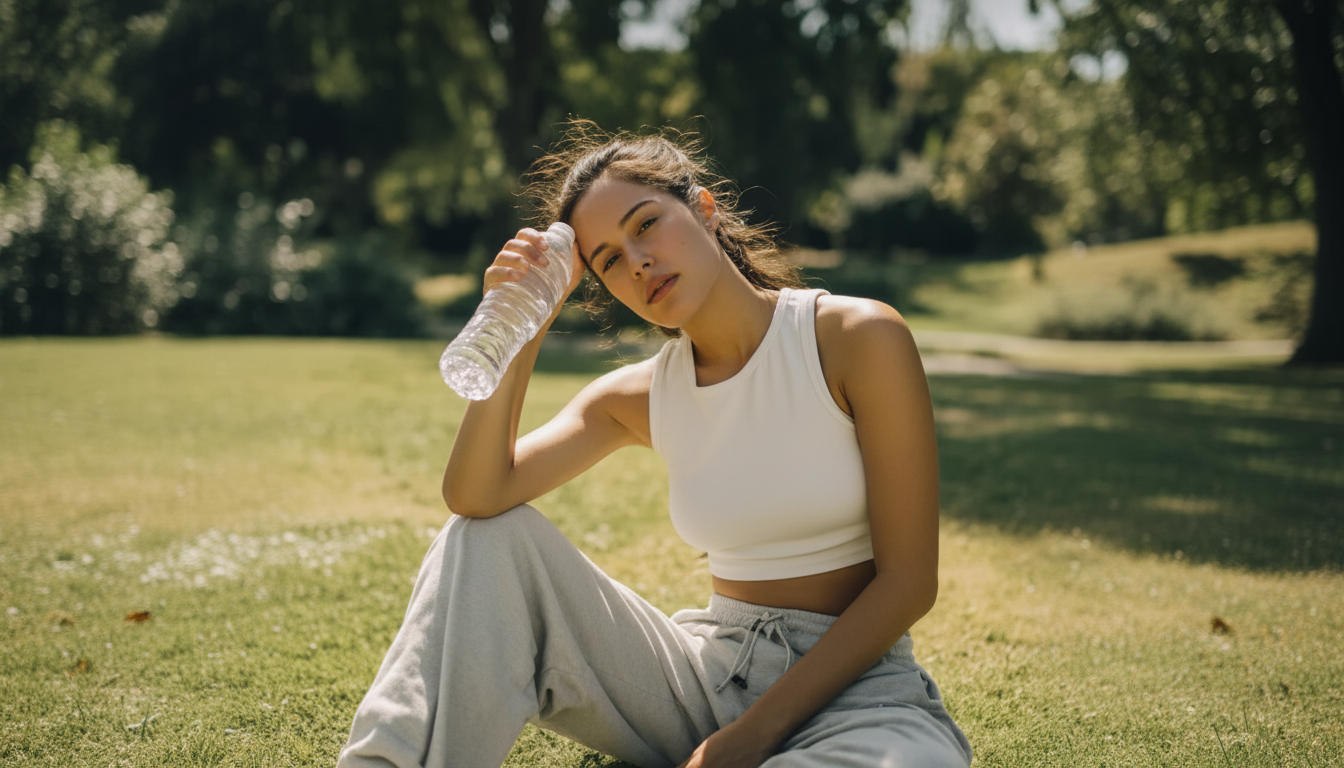
Park Workout Safety Checklist: Train Smart, Stay Safe!
Outdoor workouts can be energizing and convenient, but parks add variables that gyms control—surface changes, weather shifts, shared equipment, and unpredictable foot traffic. A simple safety checklist helps reduce injury risk, improves session quality, and makes it easier to stay consistent. Use the steps below before, during, and after training to keep workouts effective and low-risk.
Before Leaving Home: Quick Safety Prep
- Check weather, temperature, wind, and air quality; adjust intensity, duration, and clothing accordingly.
- Tell someone where the workout will happen and the planned return time when training alone; enable location sharing if appropriate.
- Pack essentials: water, small first-aid items (bandages, wipes), sunscreen, insect repellent, and a charged phone.
- Wear visible, weather-appropriate clothing; consider reflective elements if training near dawn/dusk.
- Choose footwear matched to the session and surface (trail-capable soles for uneven terrain; stable shoes for plyometrics).
- Set a simple plan: warm-up, main set, cool-down; avoid improvising high-risk moves when fatigued.
If you want a routine you can repeat without thinking, the printable guide Park Workout Safety Checklist: Train Smart, Stay Safe! | Outdoor Fitness Safety Guide & Park Workout Safety Tips makes it easy to run the same steps every session—especially when you rotate parks or train solo.
Arrive and Scan: Site Check in 60 Seconds
- Walk the immediate area first: note uneven pavement, holes, wet leaves, gravel, sand patches, and low branches.
- Identify a safe training zone away from traffic, cyclists, and crowded play areas; keep a clear buffer for jumps and sprints.
- Look for lighting and visibility: avoid blind corners, dense shrubs, and isolated pockets if alone.
- Check for hazards on benches/bars: rust, sharp edges, splinters, loose bolts, slippery paint, bird droppings, or sticky residues.
- Plan exit routes and nearby help points (park office, open businesses, populated areas).
Park Workout Safety Checklist (On-Site)
| Check | What to look for | Fix or modify |
|---|---|---|
| Surface | Cracks, holes, wet patches, loose gravel | Move to a flatter area; reduce speed/jump height |
| Equipment | Rust, sharp edges, wobble, slick grips | Skip that station; use bands/bodyweight alternatives |
| Space | Crowds, dogs off-leash, cyclists | Create a buffer zone; change direction/timing |
| Weather shift | Rising heat, wind gusts, thunder | Shorten session; seek shelter; stop if thunder heard |
| Personal readiness | Pain, dizziness, unusual fatigue | Lower intensity; stop if symptoms persist |
Warm-Up That Matches Outdoor Reality
- Start with 3–5 minutes of easy movement (brisk walk, light jog, step-ups) to raise temperature gradually.
- Mobilize ankles, hips, and shoulders—outdoor surfaces amplify small stability deficits.
- Use movement prep that mirrors the workout: squat-to-stand, lunges with rotation, scapular push-ups, light bounds before sprints.
- If it’s cold, extend warm-up and keep layers on until sweating lightly; in heat, keep warm-up shorter and gentler.
A smart warm-up is also a final “systems check”: if your ankle feels wobbly on uneven pavement or your shoulders feel cranky on a bar hang, swap to more stable variations before intensity rises.
Training Rules: Reduce Injury Risk Without Weakening the Workout
For sessions that require planning multiple weeks at a time—so you’re not tempted to improvise risky moves when you’re tired—AI Prompts for Content Calendars | Digital Download eBook, Social Media Content Planner Prompts, AI Marketing Guide for Creators & Entrepreneurs can help map training themes and recovery days in a more consistent rhythm.
Weather, Hydration, and Heat/Cold Safety
- Heat: plan shade breaks, reduce intensity, and drink regularly; learn early signs of heat illness (cramps, headache, nausea, confusion). Guidance from the CDC on heat and athletes is a solid reference for warning signs and prevention.
- Cold: protect extremities, keep skin dry, and be cautious with fast starts—muscles and tendons need longer to warm.
- Sun: apply broad-spectrum sunscreen and reapply for longer sessions; wear a hat/sunglasses when appropriate.
- Storms: stop immediately if thunder is heard; avoid open fields, tall isolated trees, and metal structures during lightning risk.
- Air quality: when pollution or wildfire smoke is high, shift to low-intensity movement, shorten duration, or train indoors.
Hydration needs vary by body size, sweat rate, and conditions, but practical guidelines like the ACSM position stand on fluid replacement can help you build a repeatable plan for longer or hotter workouts.
Personal Security and Shared-Space Awareness
After the Session: Recovery and Cleanup
Printable Checklist Option
If you want a ready-to-use reference that fits that format, Park Workout Safety Checklist: Train Smart, Stay Safe! | Outdoor Fitness Safety Guide & Park Workout Safety Tips is designed for quick scanning before and during sessions.
FAQ
Is it safe to use park pull-up bars and outdoor fitness stations?
Yes—when you inspect them first. Check for wobble, sharp edges, rust, and slick residue; wipe grips if needed, and skip any station that looks damaged or unstable in favor of bodyweight or band alternatives.
What should be in a basic outdoor workout safety kit?
Bring water, sunscreen, insect repellent, and a small first-aid setup (bandages and wipes), plus sanitizer/wipes and a charged phone with ID. Add a light layer for cool conditions or extra fluids/electrolytes for heat.
When should a park workout be stopped immediately?
Stop if you hear thunder, notice signs of heat illness (confusion, nausea, severe headache), feel dizzy or faint, or experience sharp pain. Also end the session if the environment becomes unsafe due to crowds, conflict, or rapidly worsening air quality.









Leave a comment