Outdoor Sports Weather Safety: Heat, Lightning, AQI
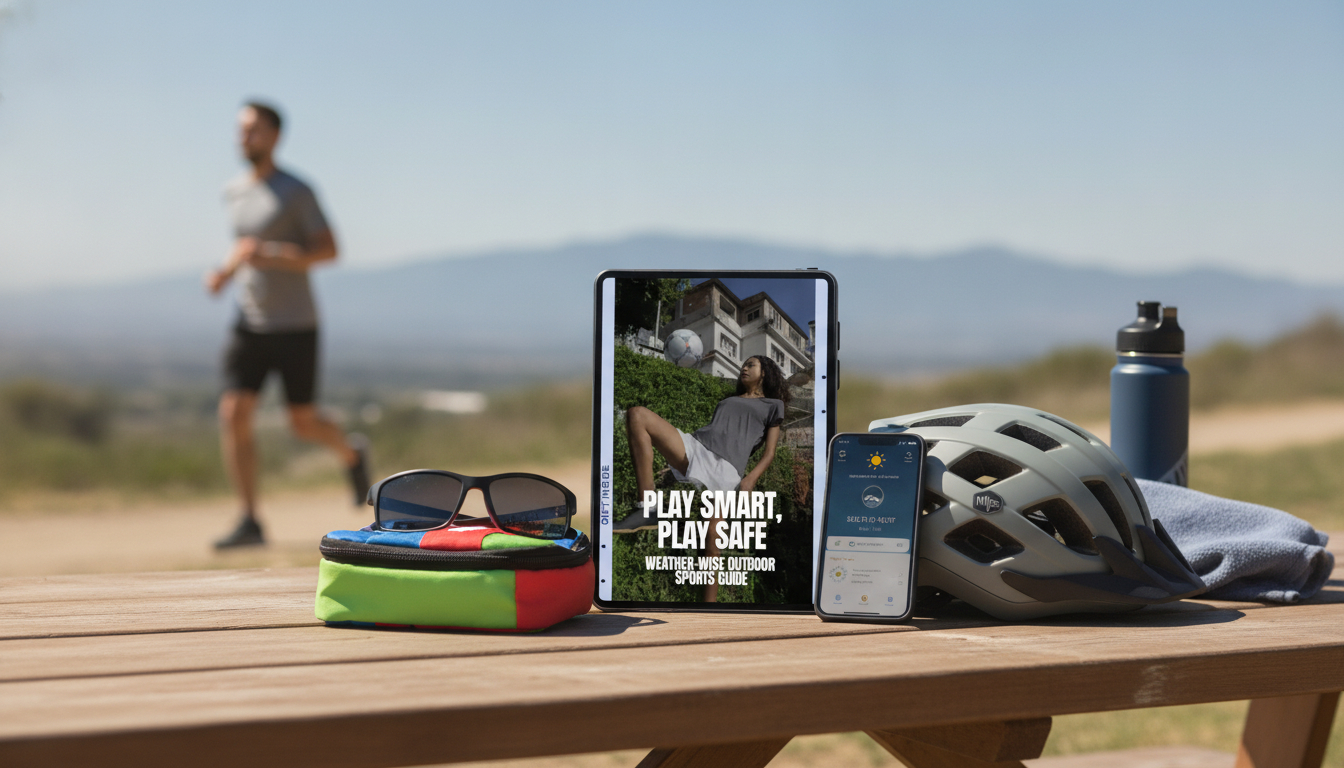
Play Smart, Play Safe: A Weather-Wise Outdoor Sports Guide for Athletes, Coaches, and Active Families
Outdoor sports thrive on fresh air and open space, but weather can shift from ideal to hazardous fast. A weather-wise plan helps athletes, coaches, and families make clear decisions about when to play, when to modify, and when to stop—reducing risk from heat illness, lightning, poor air quality, wind, cold exposure, and sudden storms. This guide organizes practical thresholds, observation habits, and communication steps so teams and families can stay active while protecting health and performance.
Why weather awareness changes outcomes on the field
Weather hazards rarely arrive alone. Heat can stack with humidity, sun intensity, and limited airflow to raise core temperature quickly—especially during back-to-back games or long practices. Young athletes and older adults can be at higher risk due to less efficient thermoregulation, lower acclimatization, or medication effects that change hydration or heat tolerance.
Another challenge is decision fatigue. When schedules run late and everyone wants “one more drill,” a simple, repeatable checklist makes safer choices easier. Most severe incidents are preventable with earlier start times, extra breaks, shade and cooling options, and a clear stop-play protocol that removes guesswork when conditions worsen.
Fast pre-practice weather check (10 minutes or less)
Start with a quick scan that’s consistent every time—practice, game, or tournament day. Check forecast and nowcast for temperature, dew point/humidity, heat index, storm timing, wind gusts, and the Air Quality Index (AQI). Then look up: building cumulonimbus clouds, a darkening cloud base, sudden wind shifts, or distant lightning are immediate red flags.
Confirm venue resources before athletes ramp up intensity: shaded areas, water access, cooling towels/ice, and realistic indoor shelter options. Finally, assign roles. One adult monitors alerts; another tracks hydration and symptoms; coaches decide intensity modifications and communicate them clearly.
Heat and humidity: practical thresholds and safer training choices
Heat risk is rarely about a single number—it’s about conditions plus workload and readiness. Acclimatization is the foundation: ramp intensity and duration over 7–14 days after breaks, travel, or early-season ramps. Build structured hydration and cooling into the plan with scheduled water breaks (not “as needed”), shade rotations, cold towels, and a calmer cool-down so athletes don’t jump straight into a hot car with an elevated core temperature.
When heat index is climbing, modify the session instead of pushing through. Shorten drills, increase the rest-to-work ratio, and move high-intensity sets earlier. If the sport uses heavy protective gear, reduce equipment when rules and safety allow.
Know the warning signs: headache, dizziness, confusion, nausea, cramps, unusual fatigue, or stopping sweating. Suspected exertional heat stroke is an emergency—cool rapidly and activate emergency services rather than waiting to “see if they improve.” For evidence-based guidance on heat illness prevention, consult the CDC heat stress resources.
Quick weather risk actions for common outdoor-sport conditions
| Condition | What to look for | Recommended action |
|---|---|---|
| High heat/humidity | Heat index climbing; athletes struggling unusually early | Add breaks, reduce intensity, increase shade/cooling; consider rescheduling |
| Lightning risk | Thunder heard or lightning seen; tall clouds building quickly | Stop play and move to safe shelter; restart only after adequate wait time |
| Poor air quality | Elevated AQI; smoke/haze; coughing or irritation | Reduce intensity/time; move indoors; sensitive groups may need to skip |
| High winds | Strong gusts; falling branches; unstable goals/tents | Secure equipment; avoid tree lines; stop play if objects become airborne hazards |
| Cold/wet conditions | Chill with wind/rain; numbness; shivering; loss of coordination | Layer properly, keep athletes dry, add warm-up breaks; end session if symptoms escalate |
Lightning and storms: when to stop and where to go
Avoid open fields, hilltops, isolated trees, and dugouts or bleachers that don’t provide full protection. Decide the restart rule in advance, including who gives the all-clear and how long to wait after the last thunder or lightning. The National Weather Service lightning safety guidance is a strong reference point for building a consistent policy.
Air quality, smoke, and allergens: protecting lungs and performance
Watch for cough, wheeze, chest tightness, unusual shortness of breath, or a sudden drop in exercise tolerance. Ensure rescue medications are on hand, and that athletes (and supervising adults) know how and when to use them. For a clear explanation of AQI categories and what they mean, refer to AirNow’s AQI basics.
Cold, wind, and wet: staying safe when temperatures drop
Coach and parent communication plan that actually works
A practical digital guide for confident weather-day decisions
For a ready-to-use reference designed for athletes, coaches, and active families, consider the Play Smart, Play Safe: Weather-Wise Outdoor Sports Guide. If you also manage team updates, promotions, or seasonal scheduling across multiple channels, the AI Prompts for Content Calendars download can help streamline consistent communication without scrambling at the last minute.
FAQ
What should be the first sign to stop an outdoor practice for lightning?
Stop play immediately if you hear thunder or see lightning. Move everyone to a substantial building or a fully enclosed vehicle, and resume only after your pre-set wait time following the last thunder or lightning.
How can a team reduce heat risk without cancelling practice?
Shift to cooler hours, cut intensity and total duration, and increase scheduled rest and hydration breaks. Add shade and cooling tools, limit heavy gear when appropriate, and actively monitor athletes for early heat illness symptoms.
When is air quality too poor for outdoor sports?
Use AQI plus on-site symptoms to guide the decision: as AQI worsens, reduce intensity and shorten exposure, and move indoors when conditions continue to deteriorate. Athletes with asthma or other respiratory risks should follow stricter limits and may need to skip outdoor play.











Leave a comment