KonMari Toy Reset: Declutter Kids’ Rooms Fast
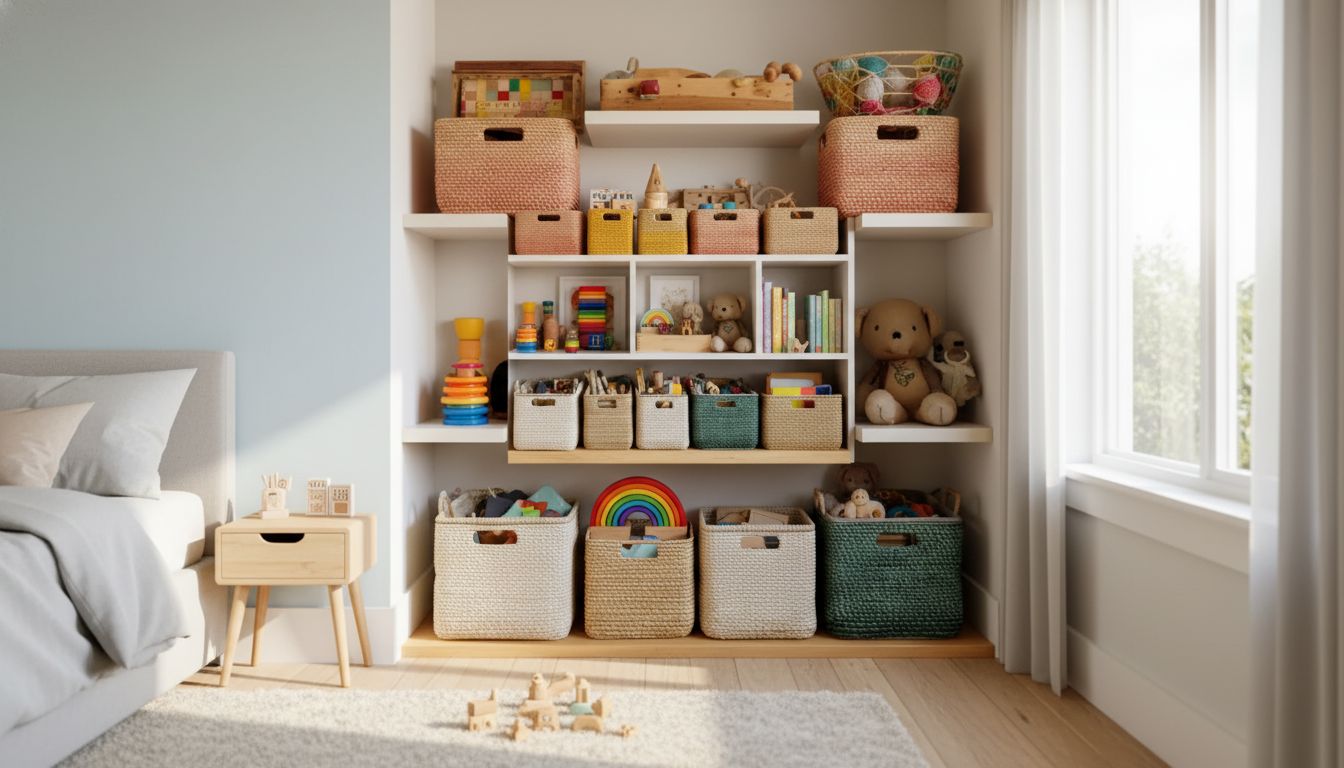
Toy Clutter Tamed: A KonMari-Style Reset for Kids’ Rooms
Toy piles and overstuffed bins make it harder for kids to find what they love—and harder for rooms to feel calm. A KonMari-inspired system streamlines what stays, gives every toy a clear home, and builds simple habits that keep clutter from coming back. The goal isn’t a picture-perfect playroom; it’s a room where your child can play, find things independently, and clean up without a daily debate.
Why toy clutter keeps returning
- Too many “almost played with” items compete for attention and space, so favorites get buried and everything feels messy.
- Storage without categories turns into a catch-all; cleanup becomes guesswork (“Where does this even go?”).
- Adults organize for speed, kids organize for visibility—when the system doesn’t match how kids look for toys, it breaks quickly.
- Seasonal gifts, party favors, and hand-me-downs steadily raise the toy baseline unless something exits.
The KonMari principles that work best for kids’ rooms
- Tidy by category (toys, books, crafts), not by location, so duplicates and “hidden” items surface.
- Keep what gets used and genuinely enjoyed; let the rest go with gratitude (especially the “meh” toys that create noise, not play).
- Finish discarding before buying containers or reorganizing shelves—otherwise you’re building storage for clutter.
- Create simple, repeatable homes: one category per container whenever possible, with labels at kid eye-level.
If you’d like a refresher on the original approach, the KonMari Method – Official Resources outlines the core ideas behind tidying by category and keeping what supports your life.
What’s inside the Toy Clutter Tamed KonMari Bundle and how to use it
A guided reset is often the difference between “we tried organizing” and “it finally stayed that way.” Toy Clutter Tamed with the KonMari Bundle – eBooks, Guides & Checklists for Kids’ Rooms is designed to help you move from piles to a workable system without overcomplicating the process.
- Use the guides to plan the order of categories and set a realistic room-reset timeline.
- Follow the checklists to track what has been sorted, what is leaving, and what still needs a home.
- Print or save the pages that match the child’s age: preschool-friendly visuals, or older-kid decision prompts.
- Run the bundle once as a full reset, then reuse the checklists for monthly “mini-tidies.”
Quick-start path (60–120 minutes)
| Step | Action | Outcome |
|---|---|---|
| 1 | Gather all toys into one visible pile (or one category at a time). | No more “lost” duplicates and forgotten items. |
| 2 | Sort into subcategories (building, dolls, vehicles, pretend play, puzzles, etc.). | Clear grouping for easy decisions and storage. |
| 3 | Choose what stays; bag donations/trash immediately. | Instant space recovery. |
| 4 | Assign homes and label bins/shelves at kid eye-level. | Faster cleanup with less adult direction. |
A step-by-step room reset that doesn’t overwhelm kids
For younger kids, consider what’s realistic for their stage: attention span, cleanup ability, and independence vary widely. The CDC: Developmental Milestones is a helpful reference when deciding how much responsibility to hand over versus how much structure to provide.
Decision rules that make sorting faster (and fair)
Toy sorting decision matrix
| Toy type | Keep if… | Let go if… | Best storage home |
|---|---|---|---|
| Small pieces (LEGO, beads) | Set is used weekly and has a dedicated container | Pieces are scattered, sets incomplete, or never chosen | Lidded bin with internal organizer; label by type |
| Stuffed animals | Child can name favorites quickly; used for comfort | Overflowing bed/basket; rarely touched | One basket or hammock with a clear limit |
| Puzzles & games | All pieces present; played in last 2–3 months | Missing pieces; always skipped | Vertical file bin or shelf with spine labels |
| Pretend play | Costumes/props spark frequent play | Accessories everywhere; constant cleanup battles | Hooks for costumes + one bin per theme |
As you sort, keep safety in mind—especially with small parts, broken plastic, and age-inappropriate items. The American Academy of Pediatrics: Toy Safety and Choosing Toys offers practical guidance on selecting and maintaining safe play items.
Storage that stays tidy: visibility, limits, and labels
Make it kid-led: building skills without battles
For families who like simple planning support for routines (weekly resets, seasonal rotations, and reminders), AI Prompts for Content Calendars | Digital Download eBook, Social Media Content Planner Prompts, AI Marketing Guide for Creators & Entrepreneurs can be repurposed as a lightweight way to map recurring home projects on a calendar so the system doesn’t rely on memory alone.
Keeping it tamed: weekly and seasonal refresh routines
Common roadblocks and simple fixes
FAQ
How long does it take to declutter a kids’ room with a KonMari-style approach?
Most rooms take about 2–6 hours total, depending on toy volume and how many categories you’re sorting. Splitting it into 30–90 minute sessions by category makes it easier to finish without burnout, and completing one category fully before stopping prevents “half-sorted” piles from lingering.
What if my child refuses to get rid of toys?
Start with broken or incomplete items, then move to duplicates, then the least-played categories to build confidence. A dated pause box plus a clear limit (like choosing 10 favorites) reduces pressure while still lowering clutter and making the best toys easier to access.
Should toys be stored in bins or on shelves?
Shelves usually work best for daily play because kids can see choices without dumping everything out. Bins are most effective when they’re clearly labeled, limited to one category, and used mainly for small parts—many families find a mixed system is the easiest to maintain.











Leave a comment