Pet Travel Checklist: Safe Road Trip Planner for Dogs & Cats
Pet Travel Essentials Checklist for Safe Trips: A Printable Planner for Dogs and Cats
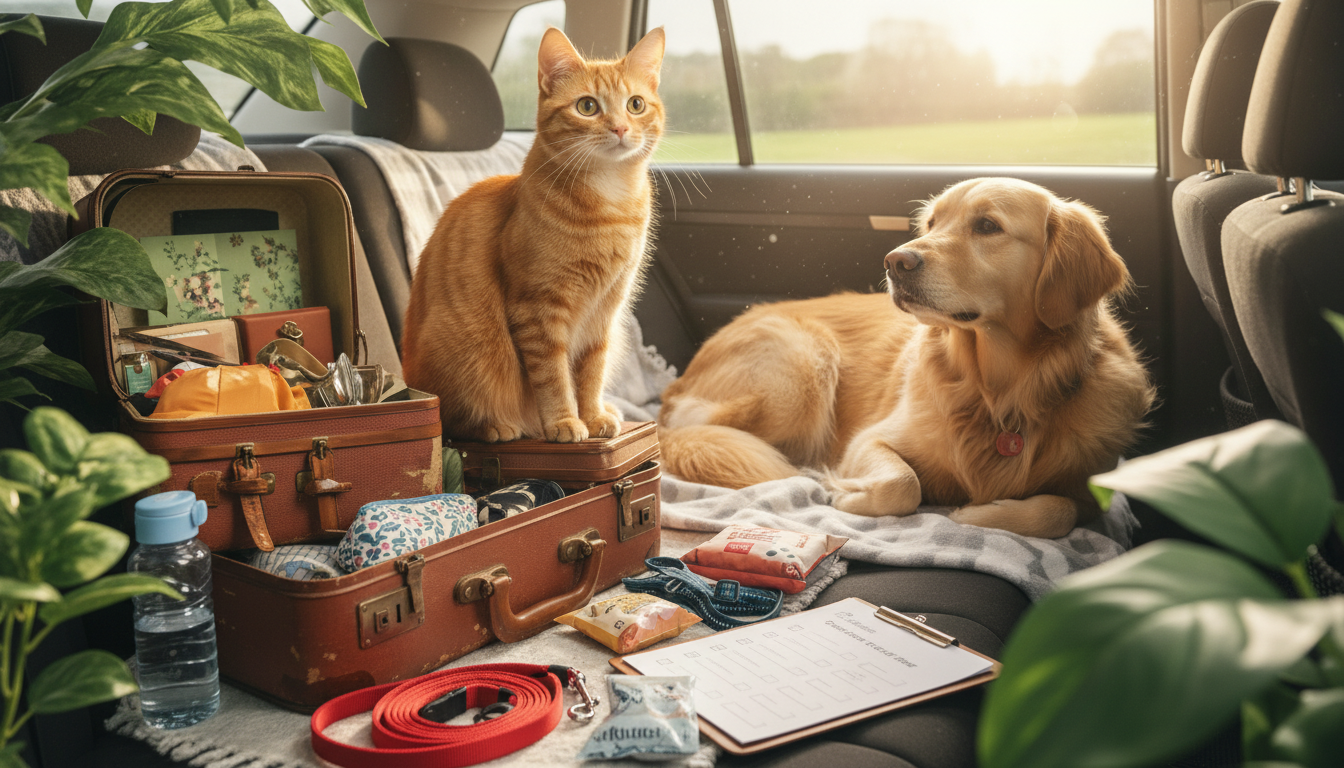
Traveling with a dog or cat goes smoothly when the basics are planned before the car is packed. A simple checklist helps prevent common problems like forgotten medications, unsafe vehicle setup, missed ID updates, or running out of food on the road. This guide organizes what to prep, what to pack, and what to double-check for road trips and vacations—covering documents, safety gear, comfort items, feeding routines, and emergency planning. Use the sections as a step-by-step plan, then print a checklist to keep everything consistent for future trips.
Start with the safety basics (before packing)
- Confirm your pet is healthy enough for travel; schedule a vet visit if there are ongoing issues, recent illness, or long-distance plans.
- Update ID: collar tag should show a current phone number; microchip registration should match current contact info.
- Plan restraint and carrier setup: dogs should ride in a crash-tested harness or secured crate; cats should ride in a secured carrier.
- Map pet-friendly stops: choose rest areas, parks, or safe leash-walk locations; avoid letting pets roam at gas stations.
- Check destination rules: hotel pet policies, local leash laws, and any vaccine or paperwork requirements.
For broader guidance on regulations and entry requirements (especially when crossing state lines or traveling internationally), review official resources like CDC: Traveling with Pets and USDA APHIS: Pet Travel and Regulations.
Documents and identification to keep together
- Rabies certificate and vaccination records (digital copy + paper backup).
- Proof of microchip number and registry details; include a recent photo of your pet from multiple angles.
- Prescription details: medication names, dosing schedule, prescribing vet contact information.
- Emergency contacts: primary vet, a local vet near the destination, and a trusted friend/family member.
- Travel notes: feeding schedule, allergies, behavioral triggers, and calming techniques that work.
| Item | Where to store it | Why it matters |
|---|---|---|
| Rabies & vaccine records | Zipper pouch in carry bag | Required for some lodging, boarding, and emergencies |
| Microchip number + pet photos | Phone + printed copy | Speeds up reunification if lost |
| Medication list & vet contacts | Printed page in pouch | Prevents dosing mistakes and delays in care |
| Destination vet info | Phone notes + paper backup | Faster help if symptoms appear on the road |
Food, water, and feeding routine (keep it familiar)
- Pack enough of the current food for the full trip plus 2 extra days to handle delays.
- Bring a portable water bottle/bowl or collapsible bowls; offer water at regular intervals.
- Avoid introducing new treats or chews during travel days; sudden diet changes can trigger stomach upset.
- Pack measuring scoop, food storage bags, and a small trash bag roll for cleanup.
- For cats: consider pre-portioned meals and a quiet feeding spot at the destination to reduce stress.
If your pet is prone to tummy trouble, consistency matters more than variety. Keep mealtimes close to the normal schedule, and limit “vacation snacks” until you’re settled and sure your pet is handling the change in routine.
Comfort and stress-reduction essentials
- Bring a familiar blanket or bed to provide a consistent scent and resting place.
- Pack 1–2 favorite toys; avoid high-squeak items if they increase arousal in the car.
- Use a properly sized carrier for cats; add an absorbent pad and a light cover if it helps them stay calm.
- Plan quiet decompression time after arrival before introducing new people, dogs, or busy areas.
- If anxiety is significant, discuss options with a veterinarian well before departure.
Low-stimulation “arrival time” is especially helpful for cats—set up one calm room with water, food, and a litter option first, then expand access as they relax. For more general travel tips and safety reminders, the American Veterinary Medical Association: Traveling with Your Pet is a strong reference.
Hygiene and cleanup kit for cars, rentals, and hotels
- Waste bags, paper towels, pet-safe wipes, and an enzyme cleaner for accidents.
- A lint roller and a small towel for muddy paws; consider a paw-cleaning cup for rainy trips.
- For cats: travel litter box or disposable tray, litter in a sealed container, and a scoop.
- Grooming basics: brush/comb to reduce shedding and mats—especially after outdoor activities.
- Keep a dedicated “dirty items” bag for used towels, pads, and trash.
Health and emergency kit (small but complete)
Road-trip rhythm: stops, temperature, and safe handling
Printable planner: pack once, reuse every trip
Recommended printables to simplify packing
- Printable Pet Travel Essentials Checklist and Planner — a reusable, trip-ready packing list for dogs and cats that keeps documents, routines, and safety steps in one place.
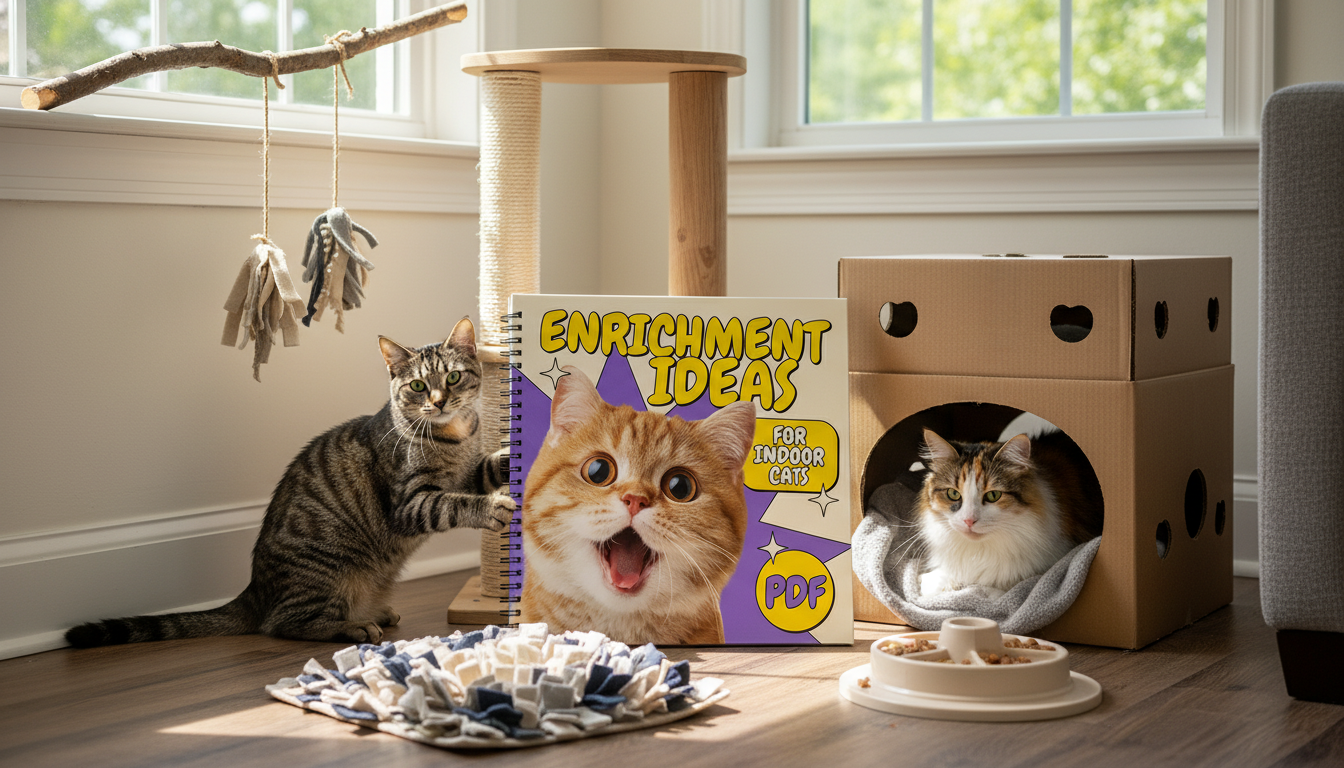
- Indoor cat enrichment ideas for calmer downtime after travel — helpful for setting up low-stress routines once you arrive, especially for cats that need decompression time.
FAQ
What are the must-have travel items for a dog on a road trip?
Prioritize a secured restraint (crash-tested harness or secured crate), up-to-date ID and microchip info, your dog’s usual food and water setup, waste bags, a leash, and a small meds/first-aid kit. Never leave dogs in a parked car, even for a quick stop.
How do you travel with a cat in a car safely?
Use a secured carrier for the entire drive, add a familiar blanket (and a light cover if it calms your cat), and keep all doors closed so your cat can’t bolt. Offer water at stops and plan litter breaks only in a fully secured, enclosed space when feasible.
How much food and medication should be packed for a pet vacation?
Pack what you need for the full trip plus at least two extra days in case of delays. Keep medications in original packaging, set dosing reminders, and bring prescription details and vet contact information for quick refills or urgent care.









Leave a comment