Imaginative Kids Storybook PDF: Gentle Lessons & SEL
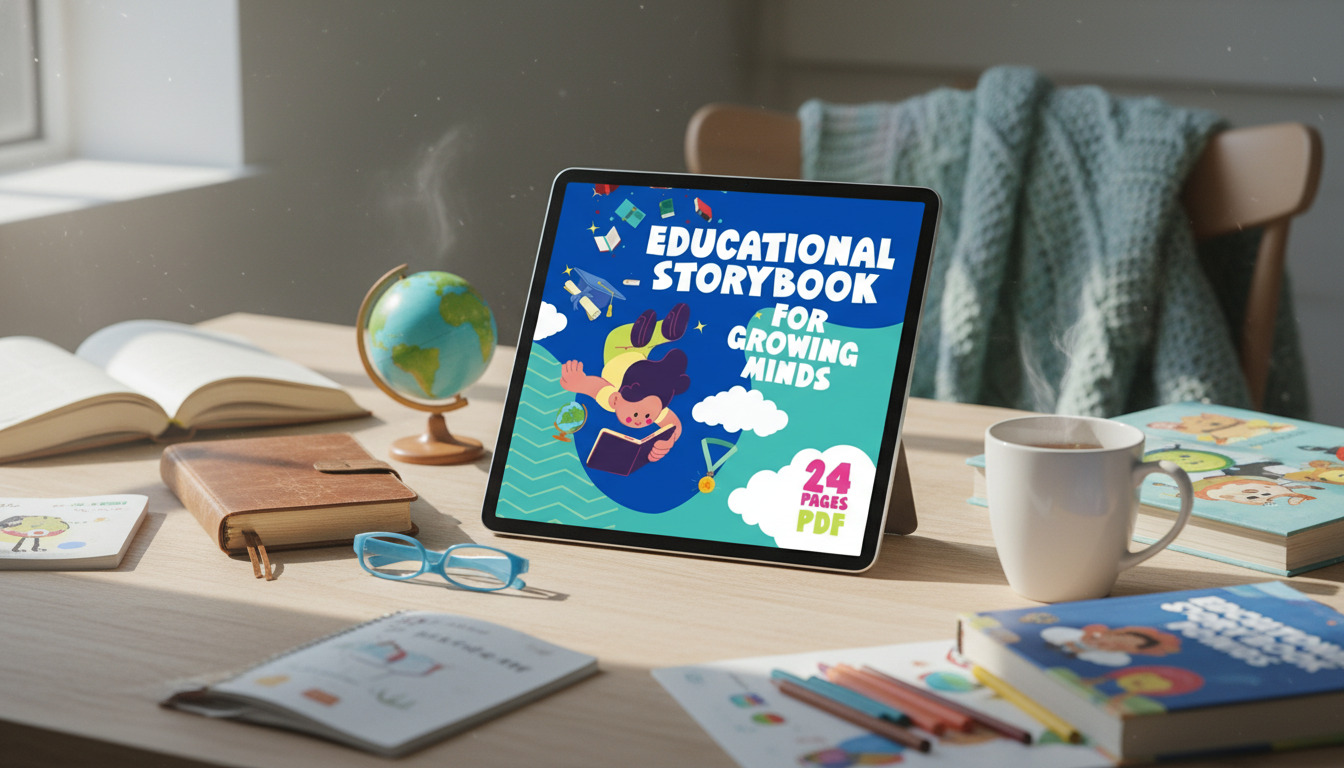
Educational Storybook for Growing Minds: Imaginative Tales with Gentle Lessons (PDF eBook Download)
A story collection can do more than entertain—well-chosen tales help kids practice empathy, problem-solving, and language skills while enjoying imaginative adventures. This downloadable PDF storybook is designed for screen-friendly reading or easy printing, making it a flexible option for bedtime, quiet time, or classroom-style read-alouds.
Families and educators have long relied on reading aloud to nurture attention, bonding, and early literacy. Organizations like the American Academy of Pediatrics and Reading Rockets highlight the value of shared reading routines—especially when stories invite children to talk about feelings, choices, and outcomes.
Why story-based learning works so well for kids
Stories create a “practice space” for real life. When children follow a character through challenges and decisions, they learn to name emotions, notice cause and effect, and imagine different responses—without feeling corrected or tested.
- Stories give children a safe space to explore choices, consequences, and feelings through characters.
- Imaginative plots hold attention longer than direct instruction, especially for early learners.
- Repeat reading builds vocabulary, listening skills, and comprehension without feeling like “work.”
- Short, lesson-centered tales support natural conversations about kindness, honesty, perseverance, and responsibility.
What’s included in the digital story collection
This PDF storybook is built for quick access and easy reuse—open it on a tablet for a low-effort bedtime read, or print a few pages for a small-group activity. The focus stays on engaging storytelling while gently guiding kids toward helpful takeaways.
- A curated set of kid-friendly stories that blend imagination with clear, age-appropriate takeaways.
- Lessons woven into the narrative so children can infer meaning and discuss it afterward.
- A convenient PDF format suitable for tablets, laptops, and printing at home or school.
- A ready-to-use option for parents, caregivers, tutors, and teachers who want structured reading material without waiting for shipping.
If you’d like to view the download details, see Educational Storybook for Growing Minds (PDF eBook Download).
Skills children can build with imaginative stories + lessons
One of the biggest benefits of lesson-centered storytelling is that it supports multiple skill areas at once. A single short tale can spark a conversation about emotions, expand vocabulary, and reinforce the idea that mistakes can become learning moments.
- Social-emotional learning: recognizing emotions, understanding perspectives, and practicing empathy.
- Communication: describing events, predicting outcomes, and retelling in their own words.
- Critical thinking: identifying problems in the plot and brainstorming alternative solutions.
- Character growth: noticing patterns like patience, courage, cooperation, and accountability.
Reading moments and the skills they strengthen
| Reading moment | Simple prompt to ask | Skill supported |
|---|---|---|
| A character makes a tough choice | “What would you do next?” | Decision-making |
| A misunderstanding happens | “How do you think they felt?” | Empathy |
| A problem is introduced | “What’s one possible solution?” | Problem-solving |
| The story ends with a lesson | “What did the character learn?” | Reflection and comprehension |
How to use the storybook at home (without turning it into homework)
The best results come from keeping reading time light and consistent. Instead of “testing” kids, treat each story like a shared moment—then let curiosity do the rest.
- Use a consistent routine: one story after dinner, before bed, or during quiet time.
- Pause at natural points to let kids predict what happens next; keep it playful and brief.
- Invite “story talk” instead of quizzes: ask about favorite parts, funniest moments, or surprising choices.
- Try a two-minute follow-up activity: draw a scene, act out the ending, or name one kind action from the story.
Easy ways to use it for classrooms, groups, and tutoring
Short stories with clear themes are easy to slot into a lesson plan, a tutoring block, or a small group rotation. They also work well as a “reset” activity—calming, focused, and socially reinforcing.
- Read-aloud opener: start a session with one short story to set a positive tone.
- Small-group discussion: assign roles (narrator/character voices) and discuss the lesson together.
- Vocabulary spotlight: pick 3–5 words from each story and use them in new sentences.
- SEL circle time: connect the story’s theme to real-life situations children encounter at school.
Digital download tips (PDF reading, printing, and device-friendly options)
A digital format makes it simple to read anywhere and reprint when needed. A few small setup choices can make the experience smoother for kids and adults alike.
A simple way to choose add-ons for deeper learning
For a companion printable that supports focus and recall, consider Memory Boost Worksheets for Students & Adults (Printable Digital Download).
More digital downloads you may like
- Educational Storybook for Growing Minds | Kids eBook | Digital Download | Imaginative Stories with Lessons | Learning Story Collection PDF
- Memory Boost Worksheets for Students & Adults | Printable Digital Download | Brain Training eBook, Memory Techniques, Study & Recall Tools
- Top 50 Side Hustles That Actually Pay | Digital Download PDF eBook | Side Hustle Ideas That Make Money | Gig Economy & Passive Income
FAQ
What age range is this story collection best for?
This collection works well for a broad kid range, with younger children enjoying it as a read-aloud and developing readers using it for independent practice. Since reading levels vary, it’s easy to adjust by reading together or taking turns with shorter sections.
Can the PDF be printed for classroom or home use?
Yes—this is a digital download PDF designed to be readable on screens and printer-friendly for home or classroom use. For best results, print on standard letter/A4 paper and store pages in a binder or booklet, and be sure to follow any included usage terms.
How can parents talk about the lesson without spoiling the fun of the story?
Keep it open-ended and low-pressure: ask one simple question about feelings or choices (for example, “How do you think they felt?” or “What would you do next?”). Focusing on the character’s experience keeps the conversation playful rather than test-like.










Leave a comment