Dog First Aid Kit: What to Pack & How to Organize
How to make a dog first aid kit
A dog first aid kit is easiest to build when it’s organized for speed: stop bleeding, protect wounds, handle minor stomach issues, and keep your dog stable until a vet can take over. Start with a sturdy, waterproof container (a small hard case or zip pouch) and make two versions if possible—one for home and a compact one for car or hikes. Label everything and add a simple checklist so it’s quick to restock after use.
Step 1: Pack the basics for injuries
Include supplies that help control bleeding and protect cuts: sterile gauze pads, non-stick wound pads, rolled gauze, self-adhering wrap, medical tape, and a small blunt-tip scissors. Add disposable gloves, antiseptic wipes (pet-safe), and saline or sterile eyewash for flushing debris. A digital thermometer and water-based lubricant are useful for checking temperature safely.
Step 2: Add tools for safe handling
Even gentle dogs may snap when hurt. Pack a soft muzzle (or a roll of gauze to improvise), a leash, and a small towel or blanket for restraint and warmth. Include a tick remover tool, fine-point tweezers, and a small flashlight or headlamp to examine paws, ears, and wounds.
Step 3: Include items for common pet emergencies
For mild digestive upset or toxin exposure scenarios (when a vet recommends it), keep a dosing syringe, an emergency contact card, and notes with your dog’s weight and medications. Consider adding an instant cold pack, a heat pack, and a compact emergency blanket to help manage temperature while you travel to care.
Step 4: Personalize and maintain
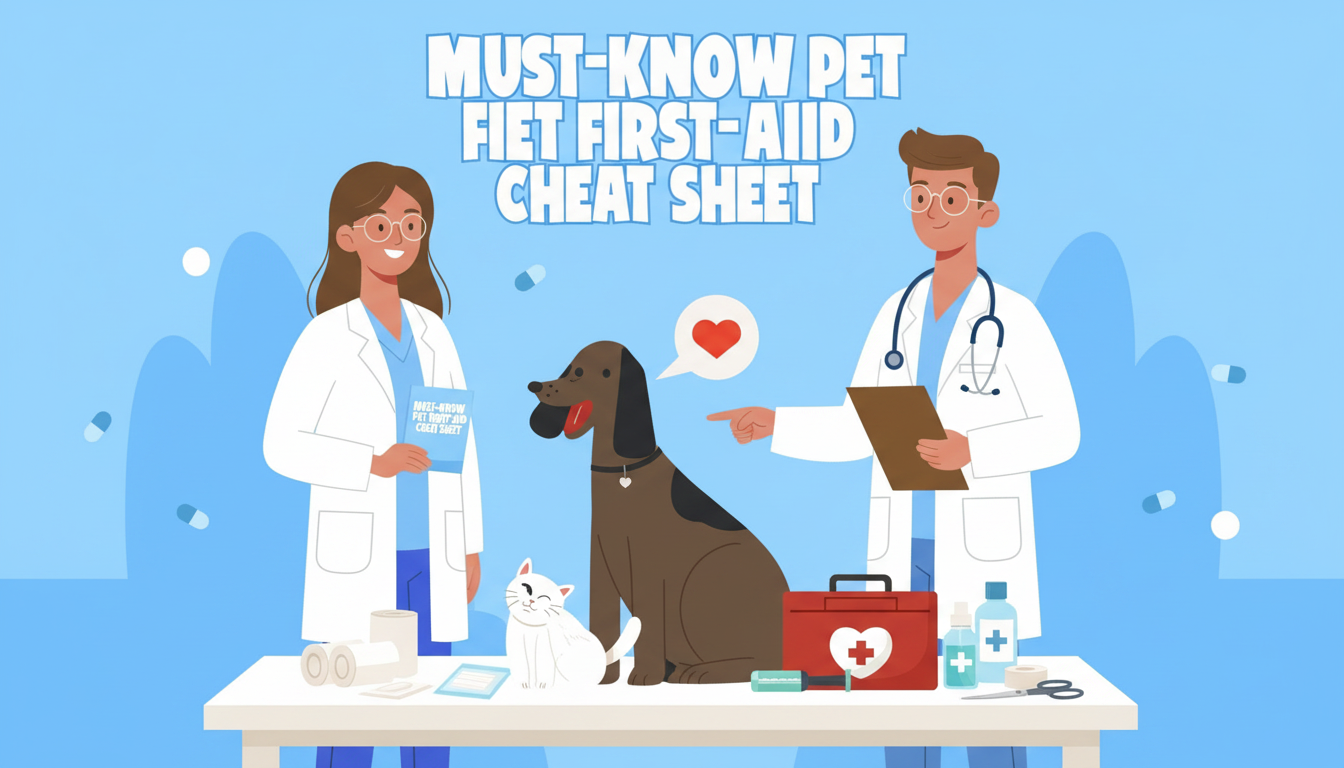
Add your dog’s medical records summary, vaccine dates, microchip number, and your veterinarian/nearest ER clinic phone numbers. Check expiration dates every 3–6 months and replace anything opened or damp. For a printable, quick-reference guide to dog and cat emergencies, use this resource: Printable Pet First Aid Cheat Sheet (Dog & Cat Emergencies).
FAQ
What should you do first if your dog is injured?
Move your dog away from danger, stay calm, and check breathing and bleeding. If there’s heavy bleeding, apply firm pressure with clean gauze and seek veterinary care immediately.











Leave a comment