Cat Body Language When Lying Down: Calm vs Stress Signs
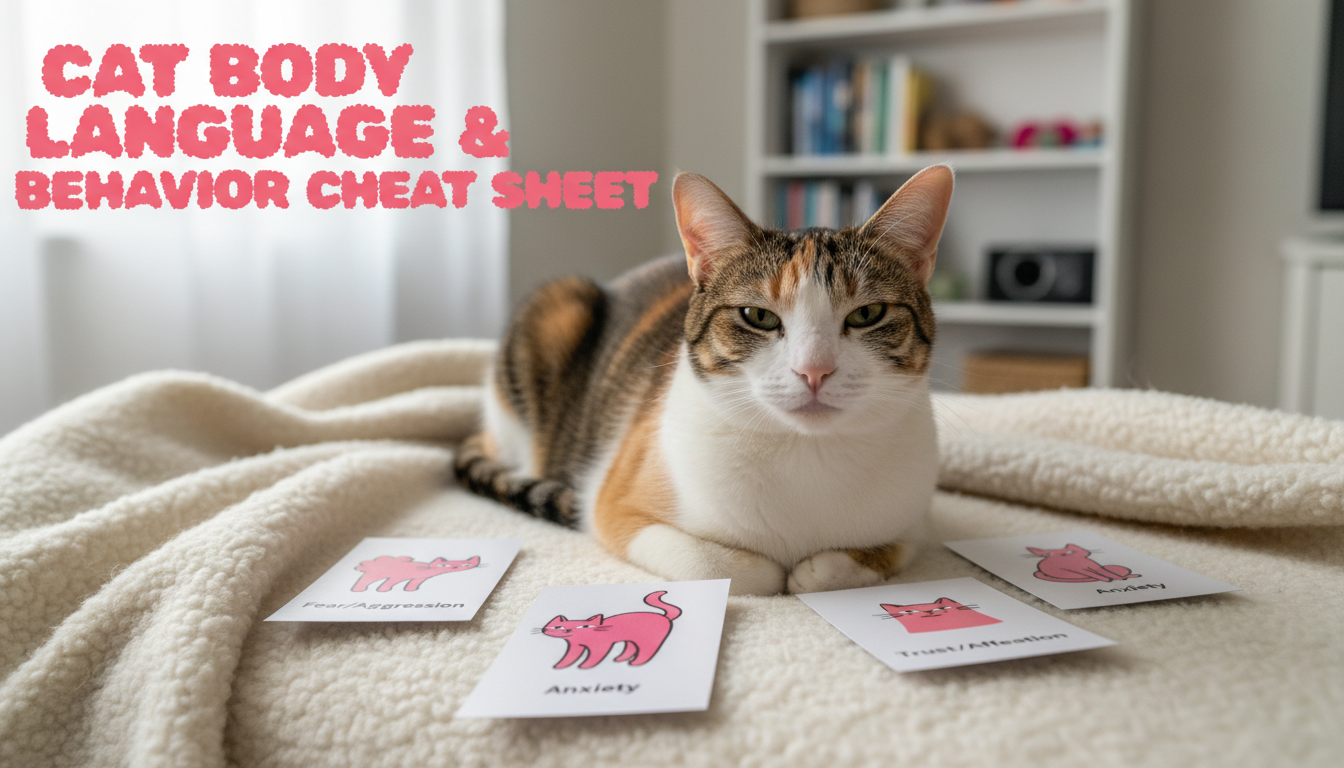
What is a cat’s body language when lying down?
When a cat is lying down, their body language can tell you whether they feel safe, stressed, playful, or unwell. The position of the body is only part of the story—look at the tail, ears, eyes, whiskers, and how tense or loose the muscles appear.
Relaxed and comfortable lying-down signals
A calm cat usually looks “soft.” You may see them stretched out on their side, curled in a loose ball, or loafed with paws tucked under. Their muscles appear loose, breathing is steady, ears sit neutral (not pinned), and the tail rests without sharp flicks. Slow blinks, half-closed eyes, and relaxed whiskers that sit naturally to the side are also common signs of comfort.
Trust and vulnerability cues
Some cats roll onto their back or expose their belly while lying down. This often signals trust and a sense of security, especially if the body stays loose and the face looks calm. It doesn’t always mean they want a belly rub—many cats will defend their belly if hands move in too quickly, even when they’re otherwise content.
Alert, cautious, or overstimulated positions
A cat can be lying down and still be on guard. If the body looks tight, ears angle sideways or back, pupils are large, and the tail thumps or flicks, they may be overstimulated or unsure. A “crouched” lie—belly low, legs tucked to spring up fast—often indicates readiness to flee or pounce. Staring, a stiff posture, and whiskers pushed forward can show intense focus (like watching another pet).
Possible discomfort or pain signals
Watch for a hunched posture, reluctance to change positions, shallow breathing, or a tightly tucked body that stays tense. Squinting, flattened ears, growling when approached, or sudden hiding can also point to discomfort. If these signs are new, persistent, or paired with appetite or litter box changes, contacting a veterinarian is the safest move.
For a deeper look at how tails, ears, and vocalizations pair with resting postures, visit the full guide: Printable Cat Body Language Cheat Sheet (Tails, Ears & Meows).
FAQ
Why does my cat loaf with paws tucked under?
Loafing often means your cat feels settled and warm, especially when the face and ears look neutral. If the loaf looks tense or your cat seems reluctant to move, it can sometimes indicate discomfort, so note any other unusual changes.










Leave a comment